From Factory Floor to Career Ladder
From Factory Floor to Career Ladder: Microcredentials are Empowering Manufacturing and its
Workforce
By Roderick Kelly
It started with a question: What are we missing?
That’s what Ne’Keisha Stepney, assistant provost of Workforce Development at Waubonsee
Community College, asked a room full of manufacturers nearly two years ago. The answer was swift and
unanimous: industrial maintenance. In an economy built on precision and uptime, the shortage of skilled
maintenance technicians is more than a bottleneck, it is a threat to growth.
Fast forward to today, and that conversation became the college’s new Microcredentials for
manufacturing training, a direct response to the region’s urgent need for skilled workers.
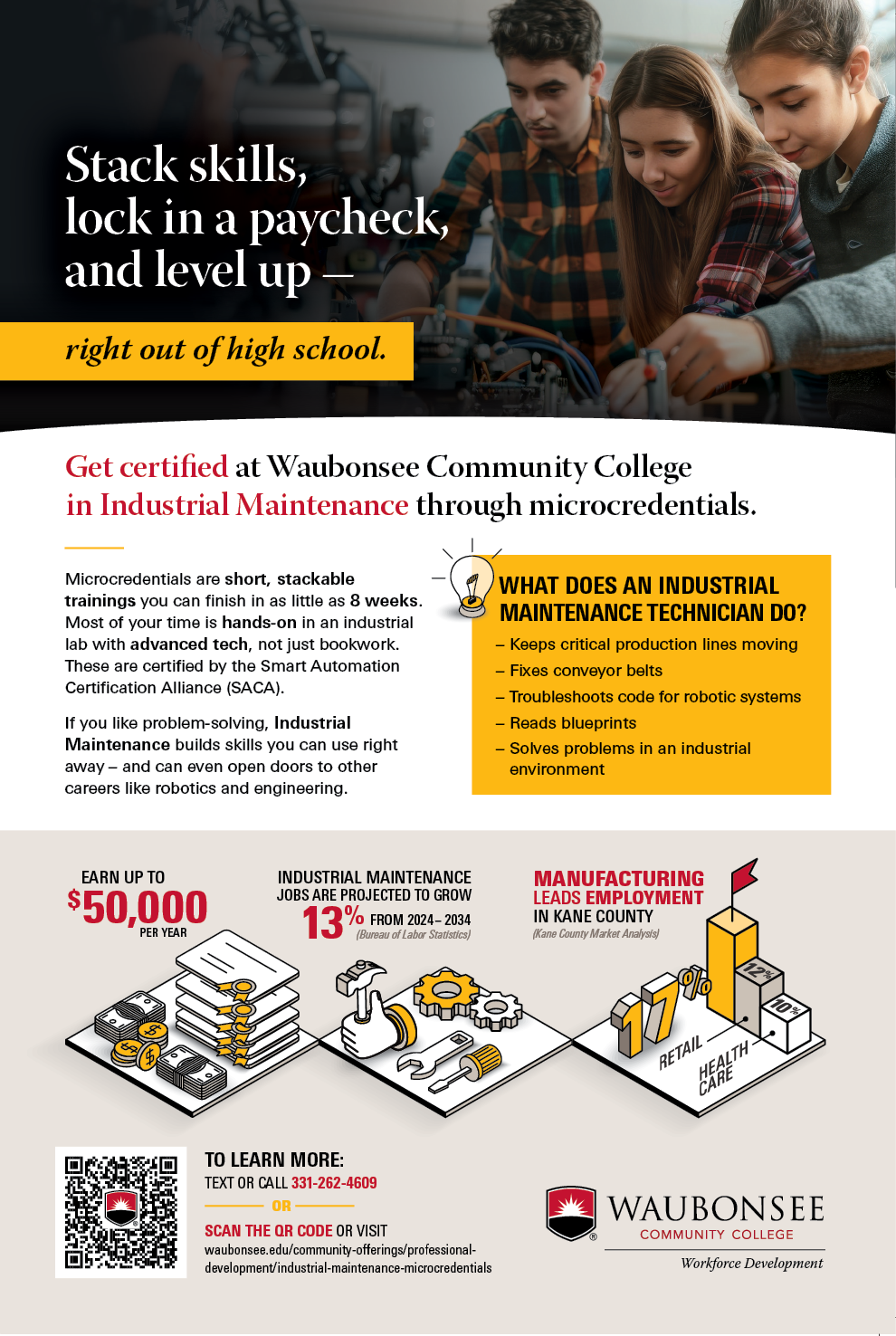
Launched in August 2025, Industrial Maintenance is the first of several disciplines planned for the
college’s micro credential training focused around short-term, stackable training of high-demand
manufacturing skills. Each micro credential teaches a specific skill that can be “stacked”
to broaden knowledge and career opportunities.
Learners get real-world learning, hands-on practice and a deep understanding of the “why”
behind each skill and how it relates to the success of industry. Designed for both new entrants and
seasoned technicians looking to grow their careers, most micro credentials can be achieved in as little
as eight weeks. Each micro credential is certified by the Smart Automation Certification Alliance
(SACA). SACA brings standardization to workforce skills, so industry and its workforce achieve
consistent quality and excellence.
Built With Industry, for Industry
“The value of co-designing with employers is everything,” said Stepney. “We’re
the education partner, but we need their (manufacturers) subject matter expertise to ensure the
competencies align with what’s actually needed on the floor.”
The result is a curriculum rooted in mechanical and electrical systems, programmable logic controllers,
fluid power and industrial safety. But it’s not just about content. It’s about format.
Courses are short (8 weeks) and stackable, with clear on-ramps for advancement.
Waubonsee President Dr. Brian Knetl sees the training initiatives as part of a broader mission:
“Community colleges must be responsive to industry demands. Microcredentials give workers a way to
gain relevant skills while still earning a living wage. Our programs aren’t just built for
today’s workforce; they’re built to evolve with it.”
Meeting Employers Where They Are
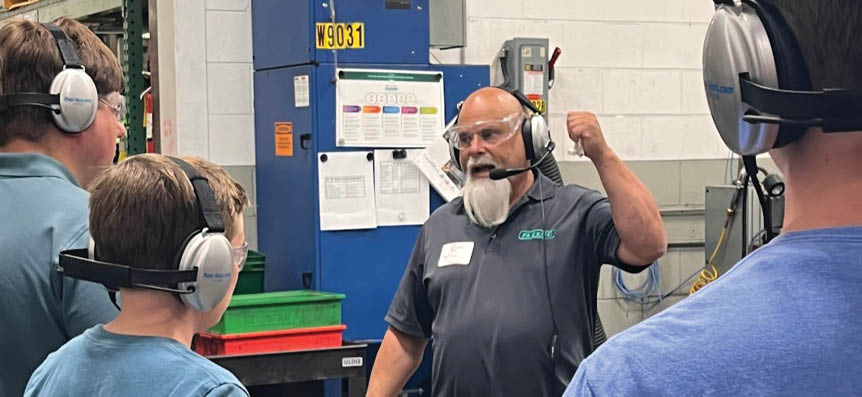
For manufacturers, Knetl’s comment on adaptability hits home. Plano’s MTH Pumps president
Tim Tremain sees the new training program as a game changer for his diverse maintenance crew, many of
whom come from nontraditional backgrounds. MTH Pumps manufactures high-pressure, low-flow regenerative
turbine pumps.
“If I could take all four of our guys and have them evaluated for their skill sets, it would set
up a training path to bring everyone to the same level,” Tremain said. “And the short course
format? That’s a huge boon. Not everyone is wired for a two-year program, but they’ll show
up for six or eight weeks. It’s a much easier sell.”
Tremain also believes the training program has retention potential. “The term I’ve heard a
lot lately is ‘gamify advancement.’ That’s what this does. It gives people clear steps
to level up. You attach skills to pay and promotion, and suddenly people are invested. It’s how
you grow a team, not just a workforce.”
Impact on the Ground
At Aurora Specialty Textiles in Yorkville, the proximity of the training program is just as appealing
as the content. “We’re looking for something that can elevate our techs’ skills, and
this is right down the street,” said maintenance manager Edson Rocha. “It’s short,
it’s focused and it’s going to improve what our people can do.”
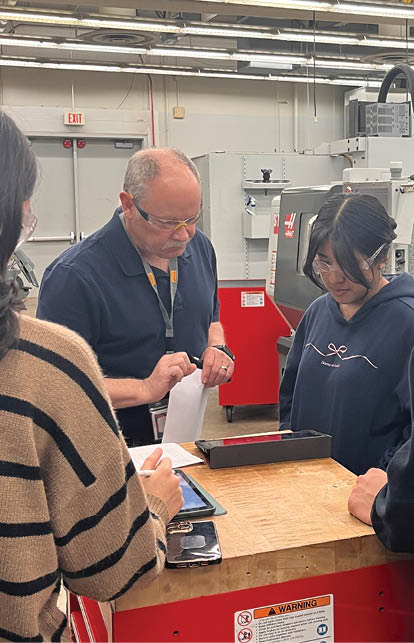
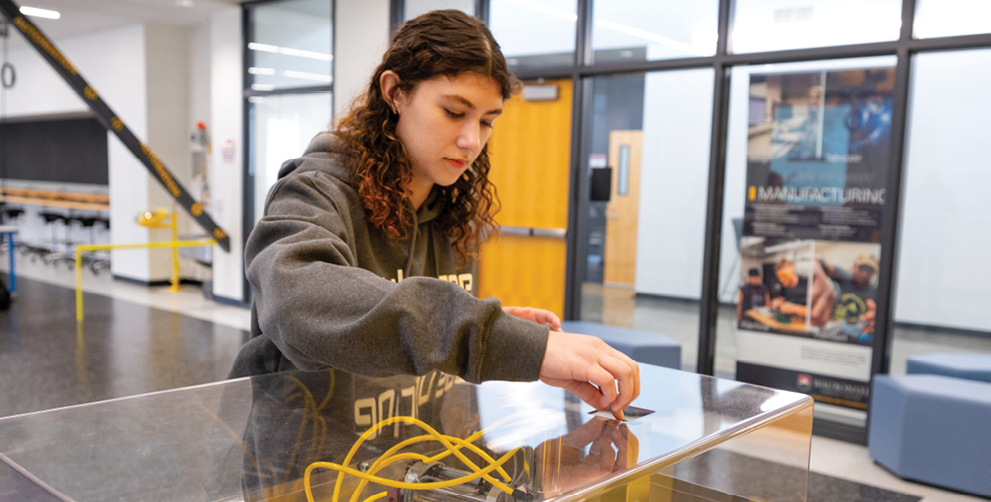
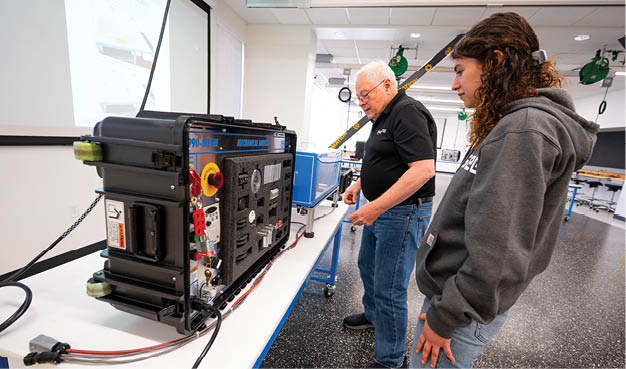
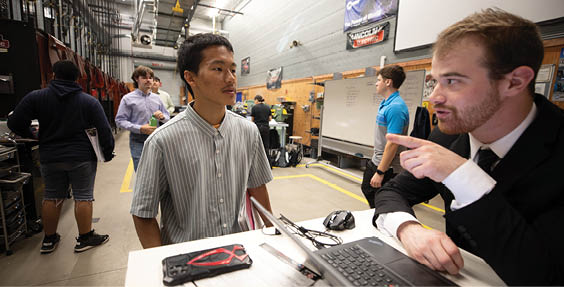
That real-world connection is intentional. Waubonsee adjunct professor Paul Smith helped shape the
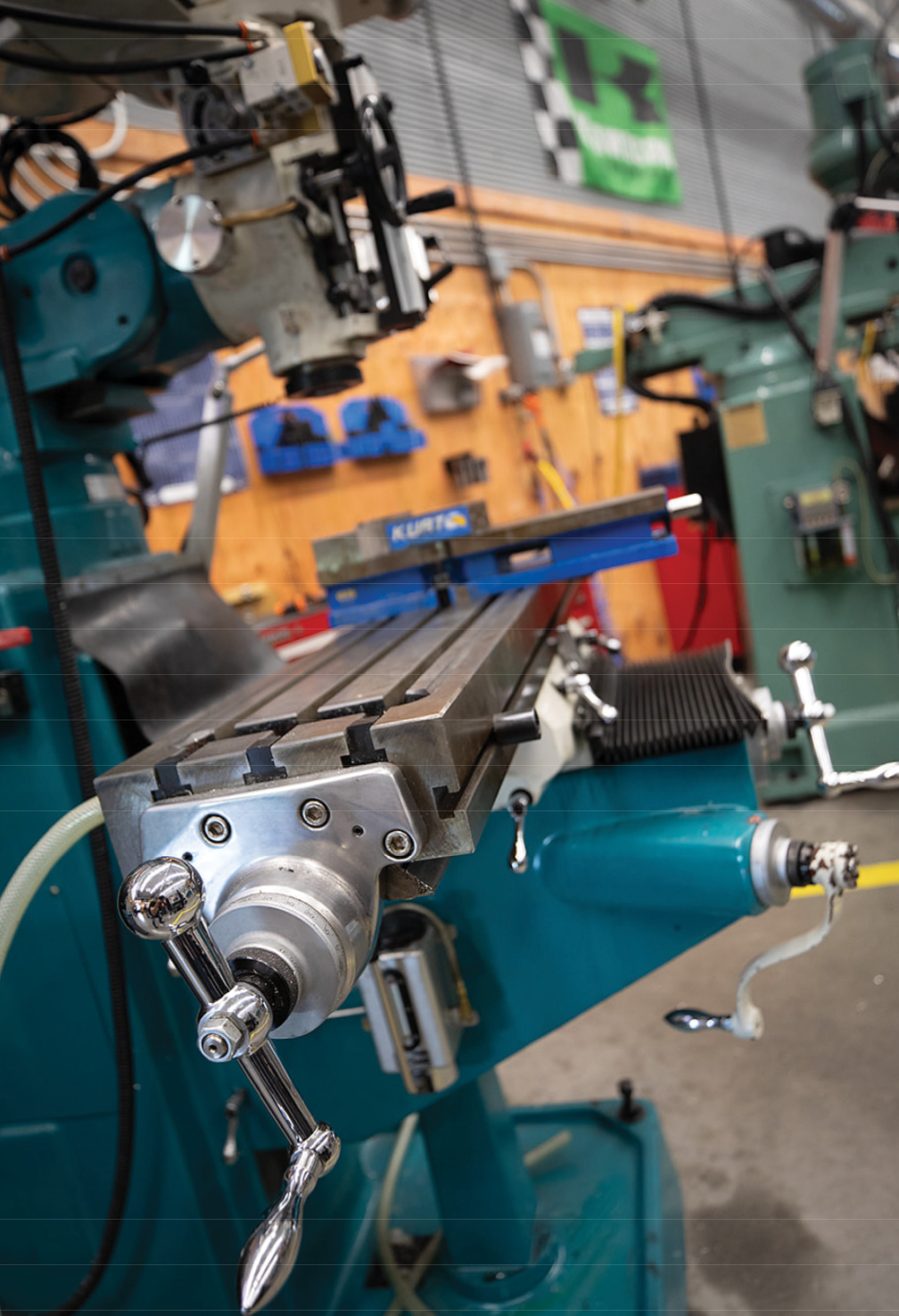
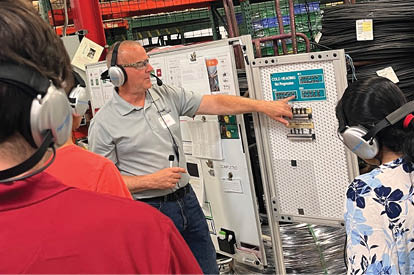
hands-on curriculum. “The lab has equipment like the Skill Boss, which replicates an entire
mechanical system. Students don’t just learn concepts, they learn how to troubleshoot, how to read
technical instructions and how to solve problems on the spot. It’s what they’ll be doing in
the field.”
Andrew Fetzer, maintenance manager, and Katie Sudler, community education director at Fortune 500
McCormick & Co. in Geneva highlighted the benefits of micro credentials for workforce development,
noting its flexibility and ability to cater to specific industry needs. Both expressed interest in
allowing employees to participate in training during work hours, particularly for those eager to advance
their skills.
Fetzer said it’s important in industrial maintenance to bridge the knowledge between seasoned
workers and younger talent.
A Model for Collaboration
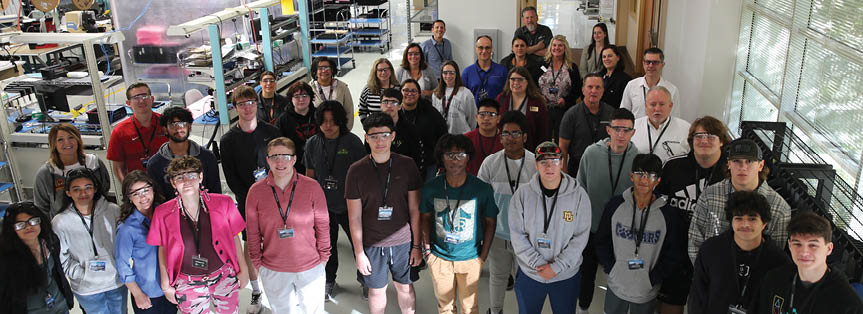
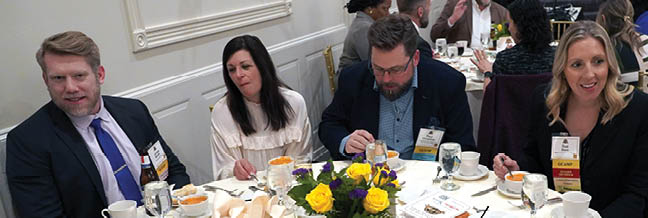
Waubonsee’s Summit in early July 2025 introducing the Microcredentials for Manufacturing training
was marked by a panel discussion moderated by Kathy Gilmore, president of the Valley Industrial
Association.
“This wasn’t just another meeting to talk about workforce challenges,” Gilmore said.
“This is about building a bridge between education and industry that actually leads
somewhere.”
Panelists shared insights on everything from the evolving demands of automation to the rising
importance of soft skills. A common theme echoed throughout: progress happens when educators listen,
employers engage and both commit to continuous improvement.
The Illinois Community College Board’s grant support has been crucial to the Microcredentials for
Manufacturing training. Alex Weidenhamer, director for Workforce Training for the ICCB, underscores the
broader impact. “The program reflects a growing trend in Illinois to enhance collaboration between
employers and educational institutions.”
Weidenhamer said community colleges have a distinct understanding of their local communities, which
allows them to “effectively identify and address skills shortages. It’s also important to
educate taxpayers about the economic contributions of community colleges and to report outcomes to the
legislature to demonstrate the value of these programs,” especially as they consider potential
legislation.
Waubonsee’s Microcredentials training is a model of what’s possible when manufacturers
drive the agenda and educators listen and take action. As Jesse Brady, a technical specialist with the
Illinois Manufacturing Excellence Center (IMEC) said, “Maintenance really is a core process across
all manufacturing sites… Having a very strong maintenance team really leads right to the bottom
line, in my opinion, of a lot of manufacturers.”
Waubonsee’s new micro credentials training is not just a bridge between education and industry,
it’s a blueprint for building a future-ready workforce, one skill at a time.
“Programs like this are what’s possible when community colleges and industry move in step.
It’s not about checking boxes. It’s about building a future together,” said
Waubonsee’s Knetl.
—Roderick Kelly is co-founder of K+L Storytellers, the storytelling agency of the Valley
Industrial Association.
From Factory Floor to Career Ladder