Cross-Border Trade and Glocalization
A Growth Path for the San Gabriel Valley
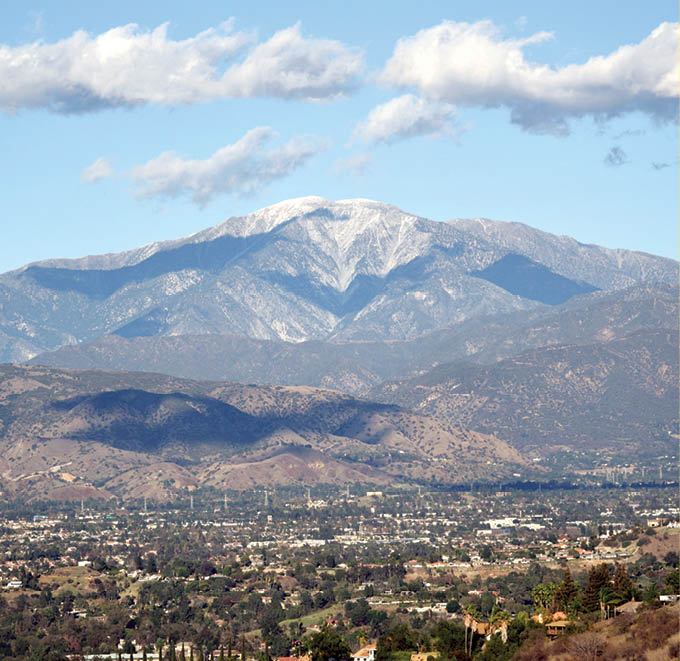
The San Gabriel Valley (SGV) stands at the intersection of diverse cultures, international trade
routes, and rapidly evolving global markets. Its unique mix of local talent, diaspora communities, and
strategic location near Los Angeles International Airport (LAX), Ontario International Airport (ONT),
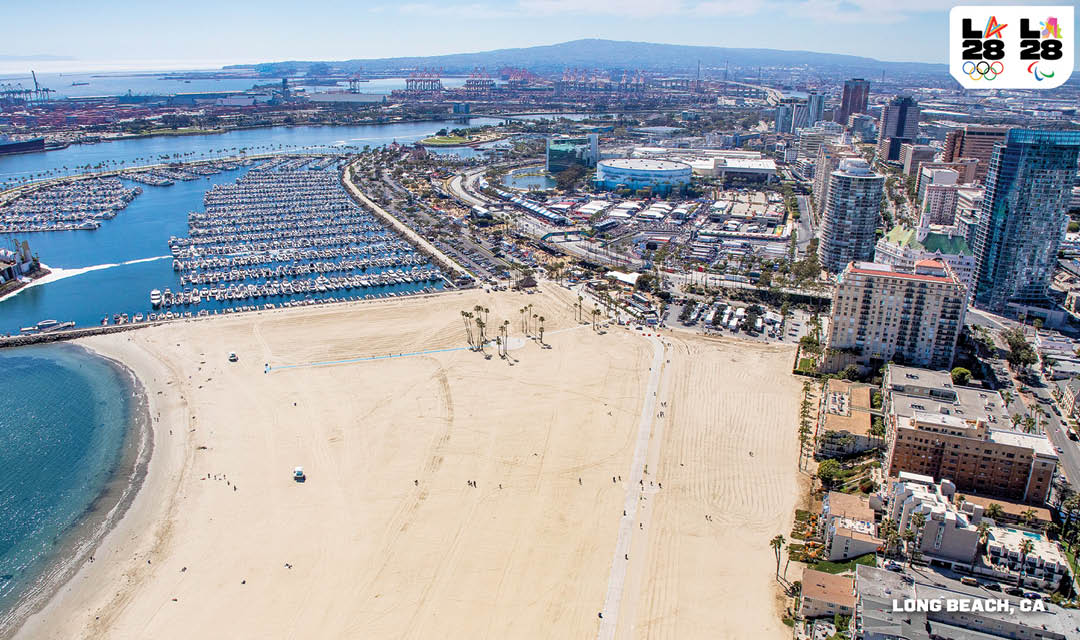
and the Ports of Los Angeles and Long Beach make it a natural hub for cross-border trade and
glocalization—the strategy of adapting global products and partnerships to fit local
market needs while exporting SGV’s own strengths abroad.
Why Now
Global supply chains are shifting. Companies are diversifying sourcing beyond single regions, tourism
is bouncing back, and consumer demand for authentic, culturally rich products is growing. For SGV, this
is an opportunity to leverage its cultural diversity and entrepreneurial energy to connect local small
and mid-sized enterprises (SMEs) to foreign markets while attracting international businesses seeking a
U.S. foothold.
Key Opportunities
1. Diaspora-Led Exporting – With large Chinese, Taiwanese, and Mexican
communities, SGV can act as a launchpad for local products into diaspora-driven distribution channels
abroad. These might include specialty grocers, e-commerce platforms, and ethnic retail chains where
bilingual packaging and culturally tailored bundles can accelerate adoption.
2. Nearshoring and Dual-Sourcing – By partnering with suppliers in Baja
California and Northern Mexico, SGV manufacturers can shorten lead times, reduce transportation costs,
and maintain quality control while keeping design and intellectual property in the U.S.
3. Cross-Border E-Commerce – Leveraging platforms like Merado Libre, Amazon
Mexico/Canada, and Asian marketplaces, SGV businesses can sell directly to consumers internationally
using binational logistics partners to handle customs and compliance.
4. Inbound Soft-Landing for Foreign Firms – International SMEs, especially from
Asia and Mexico, can use SGV as their U.S. entry point, benefiting from temporary workspaces, legal and
compliance guidance, and pilot projects with Chamber members.
5. Tourism-to-Trade Conversions – Visitors brought in by “Visit SGV”
and Route 60 corridor campaigns can be more than tourists—they can become buyers, distributors, or
investors after engaging with food tours, beauty pop-ups, and cultural festivals.
6. Green Rebuild Supply Chains – As California invests in fire-resilient and
sustainable infrastructure, SGV can become the assembly and certification hub for imported fireproof
materials, solar systems, and landscaping technology sourced from Canada, Mexico, and Asia.
Light Manufacturing
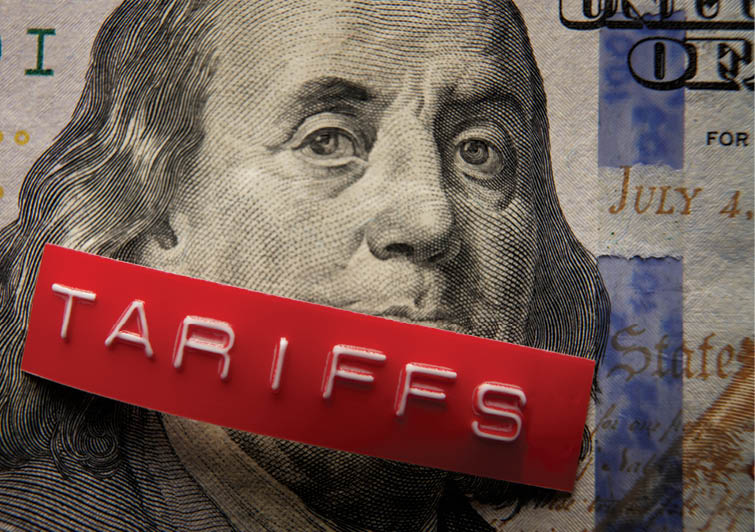
Advantage in a Tariff War
In the current tariff environment, where importing fully assembled products from certain countries can
trigger high duties, SGV’s light manufacturing and final assembly capacity
becomes a strategic asset. By importing components or semi-finished goods that carry lower tariffs,
local manufacturers can perform value-added assembly, customization, or packaging within SGV, allowing
products to qualify for U.S. origin labeling or favorable trade classifications.
This not only reduces landed costs but also keeps critical manufacturing jobs in the region. It offers
flexibility for foreign companies seeking to sidestep tariff pressures by producing the final product
domestically and for SGV businesses to control quality, adapt products to U.S. consumer preferences, and
respond faster to demand changes.
Light manufacturing also pairs naturally with SGV’s proximity to logistics hubs, enabling quick
turnaround for both domestic distribution and exports to Canada, Mexico, and Asia under existing trade
agreements. For SMEs, this is a way to stay competitive without massive capital
investments—especially when paired with shared manufacturing spaces, co-packing facilities, and
Chamber-led supplier matchmaking.
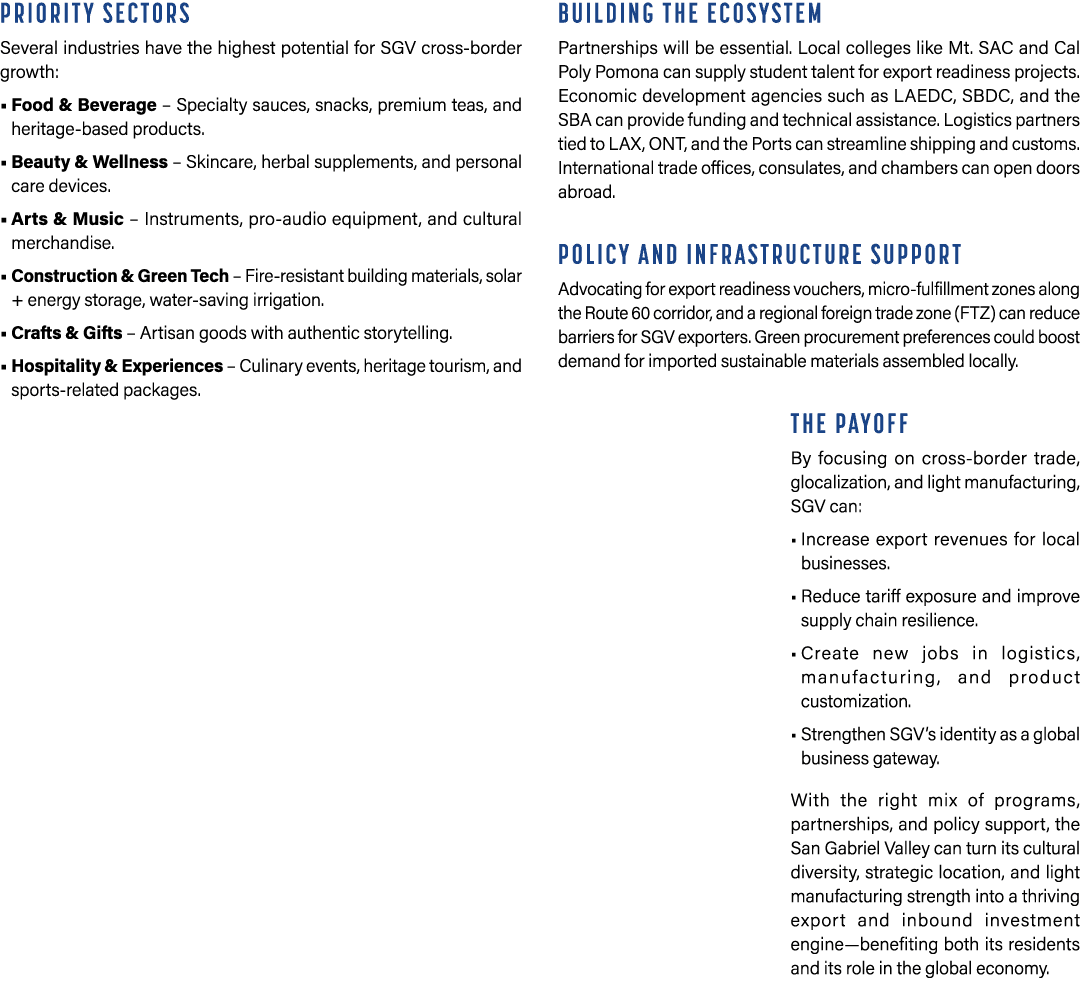
Priority Sectors
Several industries have the highest potential for SGV cross-border growth:
• Food & Beverage – Specialty sauces, snacks, premium teas, and
heritage-based products.
• Beauty & Wellness – Skincare, herbal supplements, and personal care
devices.
• Arts & Music – Instruments, pro-audio equipment, and cultural
merchandise.
• Construction & Green Tech – Fire-resistant building materials,
solar + energy storage, water-saving irrigation.
• Crafts & Gifts – Artisan goods with authentic storytelling.
• Hospitality & Experiences – Culinary events, heritage tourism, and
sports-related packages.
Building the Ecosystem
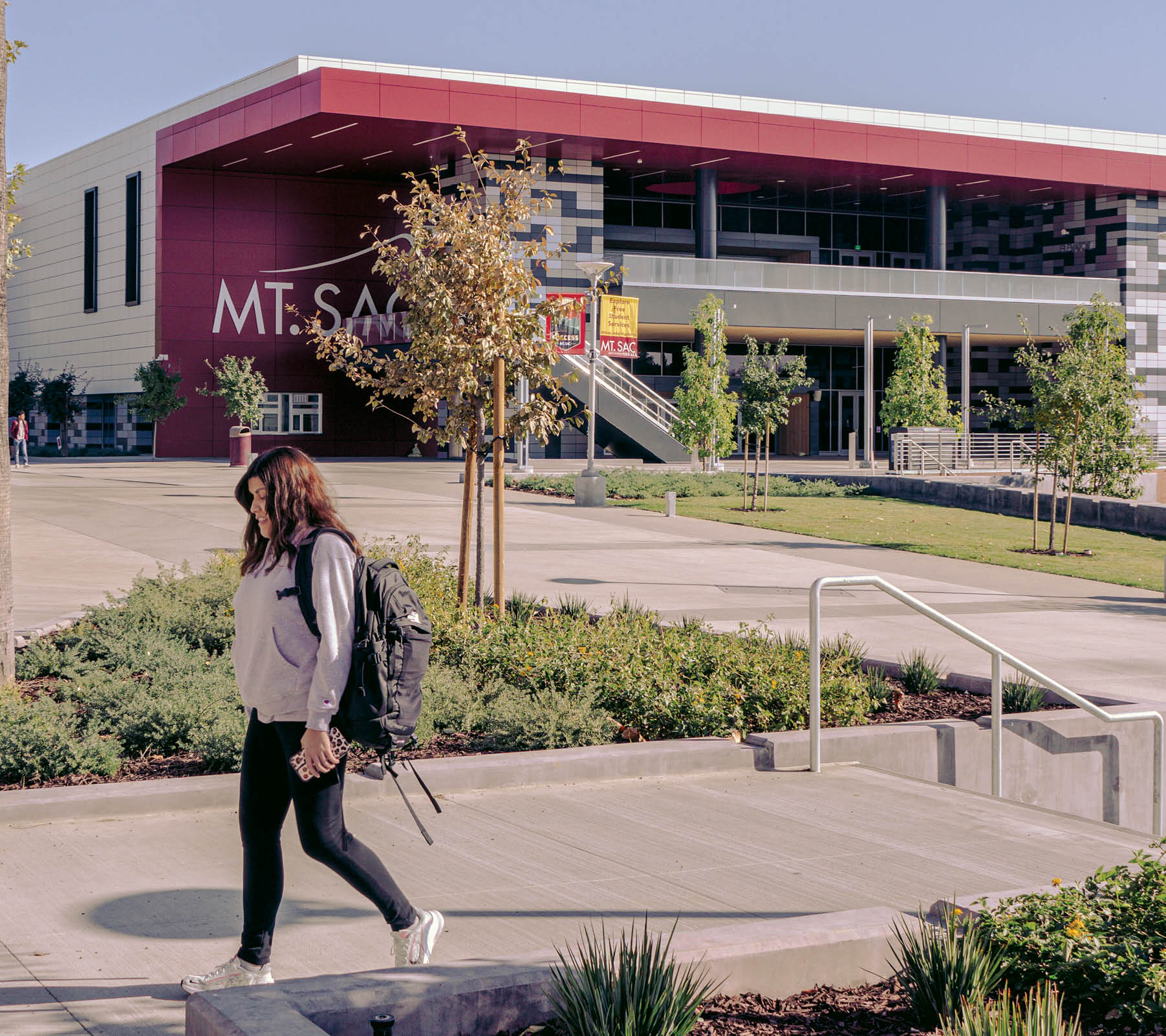
Partnerships will be essential. Local colleges like Mt. SAC and Cal Poly Pomona can supply student
talent for export readiness projects. Economic development agencies such as LAEDC, SBDC, and the SBA can
provide funding and technical assistance. Logistics partners tied to LAX, ONT, and the Ports can
streamline shipping and customs. International trade offices, consulates, and chambers can open doors
abroad.
Policy and Infrastructure Support
Advocating for export readiness vouchers, micro-fulfillment zones along the Route 60 corridor, and a
regional foreign trade zone (FTZ) can reduce barriers for SGV exporters. Green procurement preferences
could boost demand for imported sustainable materials assembled locally.
The Payoff
By focusing on cross-border trade, glocalization, and light manufacturing, SGV can:
• Increase export revenues for local businesses.
• Reduce tariff exposure and improve supply chain resilience.
• Create new jobs in logistics, manufacturing, and product customization.
• Strengthen SGV’s identity as a global business gateway.
With the right mix of programs, partnerships, and policy support, the San Gabriel Valley can turn its
cultural diversity, strategic location, and light manufacturing strength into a thriving export and
inbound investment engine—benefiting both its residents and its role in the global economy.