Salem County History
Salem's Rich, Historic Past
A Historic Timeline of Salem County
1600s and Before
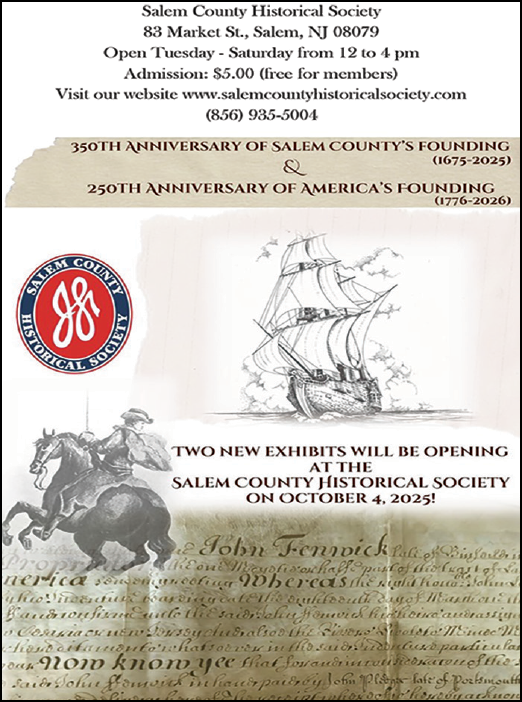
View local Native American artifacts at the Salem County Historical
Society.
Discover tools, pottery and cultural items from the Lenni-Lenape tribe, the
area’s original inhabitants who lived in harmony with the land, hunting, farming and fishing along
the Delaware River.
1675
English Quaker John Fenwick and local Native American Chiefs council under the Salem Oak and
peaceful land deals are struck encompassing Salem and Cumberland Counties.
Fenwick, a
prominent Quaker, emphasized peaceful negotiations and mutual respect. These treaties helped avoid the
violent land disputes common elsewhere in the colonies.
1676
John Fenwick designs Salem Towne on 1,700 acres and it becomes Delaware Valley’s
oldest English-speaking settlement.
The settlement, laid out in a grid pattern inspired by
English town planning, included plots for homes, a marketplace and communal spaces, laying the
foundation for today’s Salem City.
1706
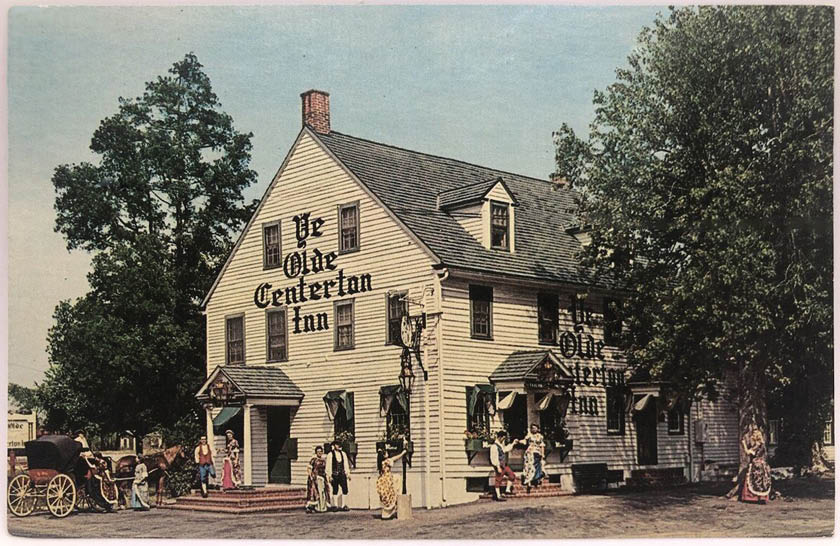
Ye Olde Centerton Inn was constructed, later serving as a meeting place for local leaders and
revolutionary patriots.
Originally a private residence, it was converted into a public
house and tavern not long after it was built. Today, the inn operates as an upscale restaurant, known
for its fine steaks, seafood and historic ambiance.
1739
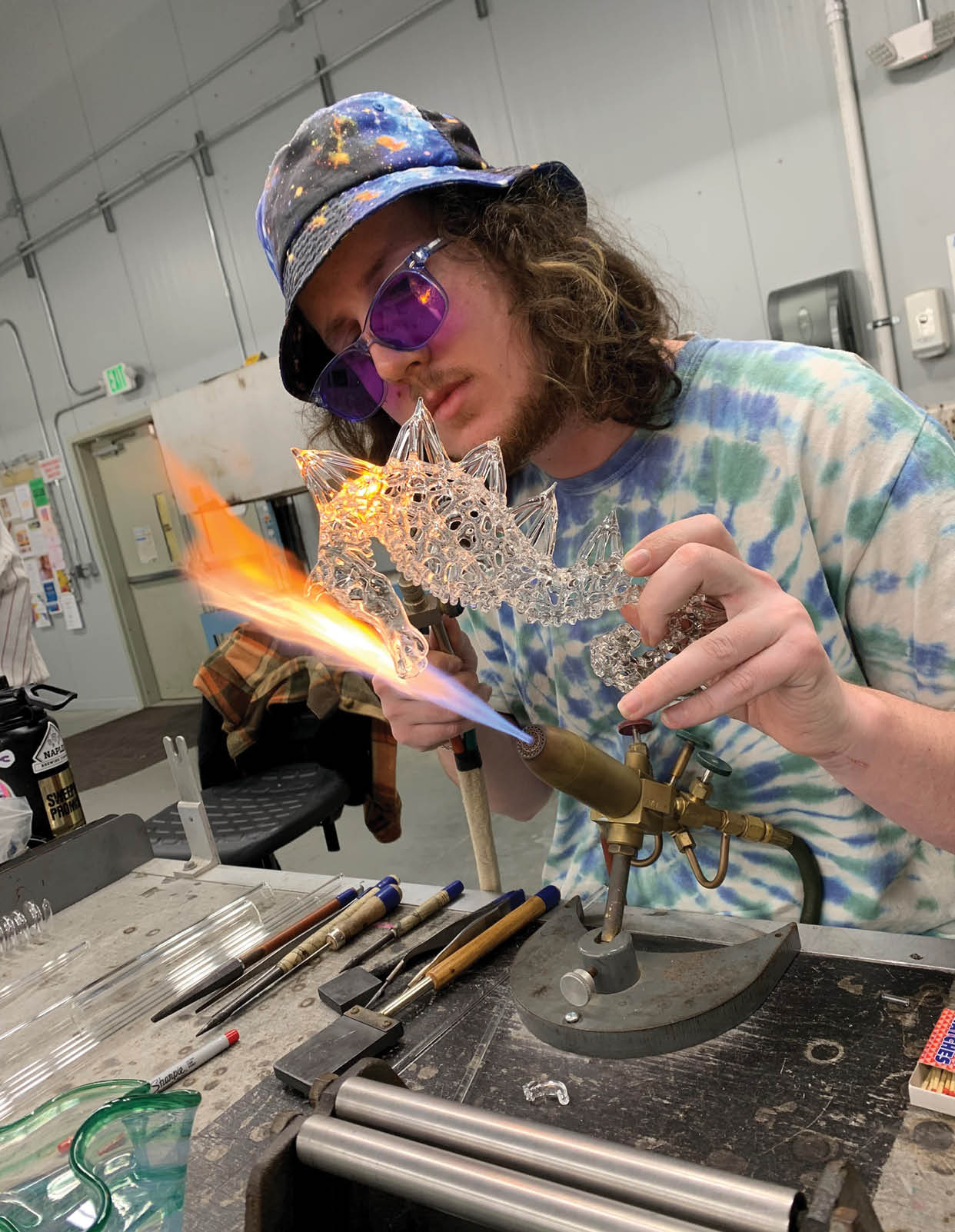
Wistarburg becomes the first successful American glassworks.
Founded by Caspar
Wistar, this site produced bottles, window panes and laboratory glass, marking the birth of
America’s glassmaking industry and contributing to Salem’s economic rise.
1749
Union Steam Engine Company No. 1 formed. The Salem Fire Museum is on
Broadway.
Among the first organized fire companies in New Jersey, it was equipped with a
hand-pulled engine and helped protect the town’s growing population and industry from devastating
fires.
1778
General “Mad” Anthony Wayne drove Salem County cattle to Valley Forge to feed
Washington’s troops.
This critical food supply helped sustain the Continental Army
through the brutal winter encampment, underscoring Salem’s logistical role in the Revolutionary
War.
1842
Maryland slave-owners enter Salem in search of runaway slaves, galvanizing Quaker Underground
Railroad support.
The intrusion triggered a stronger local abolitionist movement, with
residents forming safe houses and escape networks aiding those fleeing enslavement.
1849
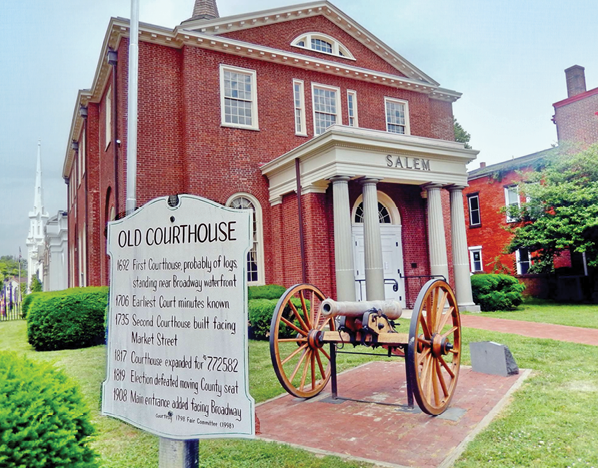
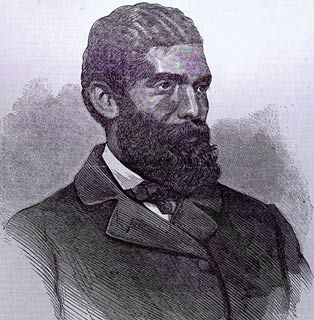
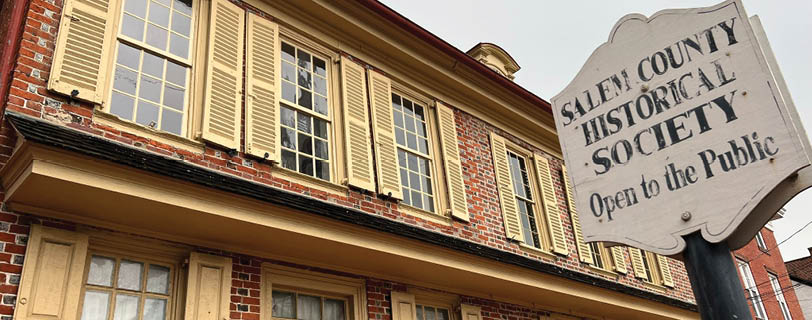
Abolitionist John Stewart Rock practices dentistry at 81 Market Street (now Salem County
Historical Society). By 1865, with a law degree, he became the first Black person approved to argue
cases before the U.S. Supreme Court.
Rock’s rise from dentist to national legal
figure symbolizes the era’s tenuous progress and local commitment to justice.
1862
Abolitionist Frederick Douglass’ daughter Rosetta taught in Salem City’s Yorke
Street Colored School while eldest son William also taught and ran a Rumsey Hall
restaurant.
The Douglass family’s presence enriched Salem’s Black intellectual
and civic life, and their legacy continues through local education history.
1869
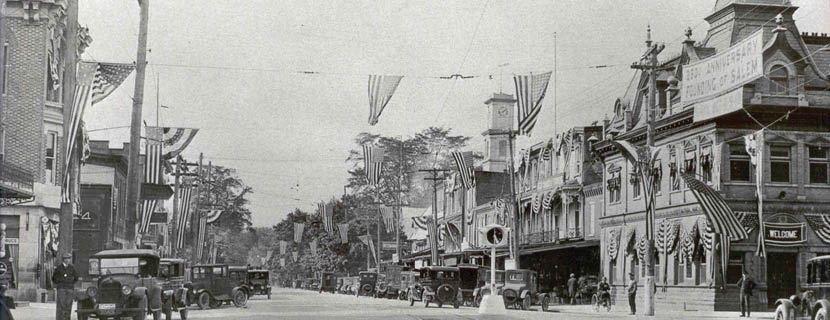
Workers digging marl in Mannington Township discover mastodon bones. Rutgers University
displays the bones.
This rare Ice Age find illustrates the prehistoric natural history of
the area and spurred local scientific curiosity.
1884
Forty-three Jewish families fled Russian 1880s pogroms and settled in Alliance, NJ (Pittsgrove
Township), becoming farmers.
They established one of America’s first Jewish farming
communities, building synagogues, schools and a legacy of perseverance and faith.
1915
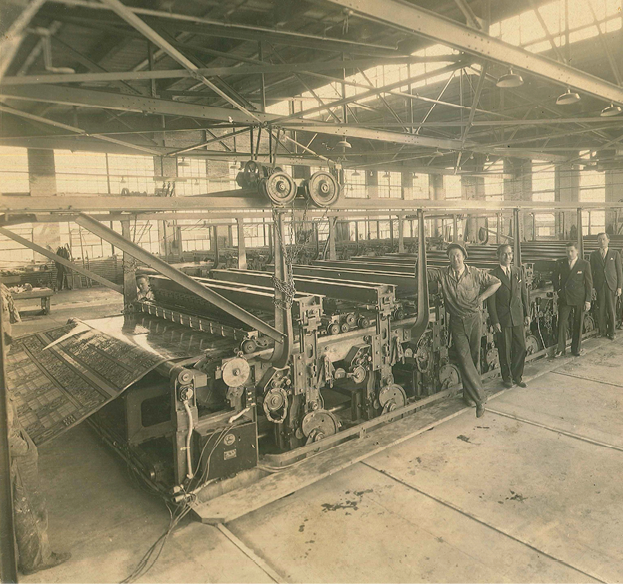
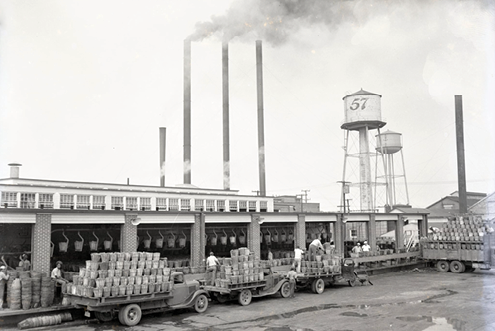
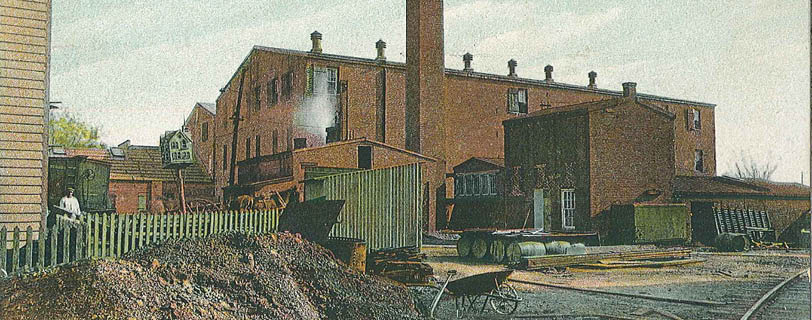
American Oil Cloth Co. is reborn as Salem Linoleum Co. with the Campbell family as major
stockholders, later becoming Mannington Mills.
This transformation signaled Salem’s
entry into national manufacturing prominence, with Mannington becoming a leading flooring producer.
1917
The DuPont Company (located in current day Pennsville and Carneys Point) goes into wartime
production, becoming the world’s largest chemical factory, employing
25,000.
DuPont’s wartime expansion fueled economic growth and reshaped the
county’s workforce and identity.
1919
A 4,000-citizen petition helps establish the Memorial Hospital of Salem County honoring WWI
veterans.
This civic effort provided crucial medical services and stands as a symbol of
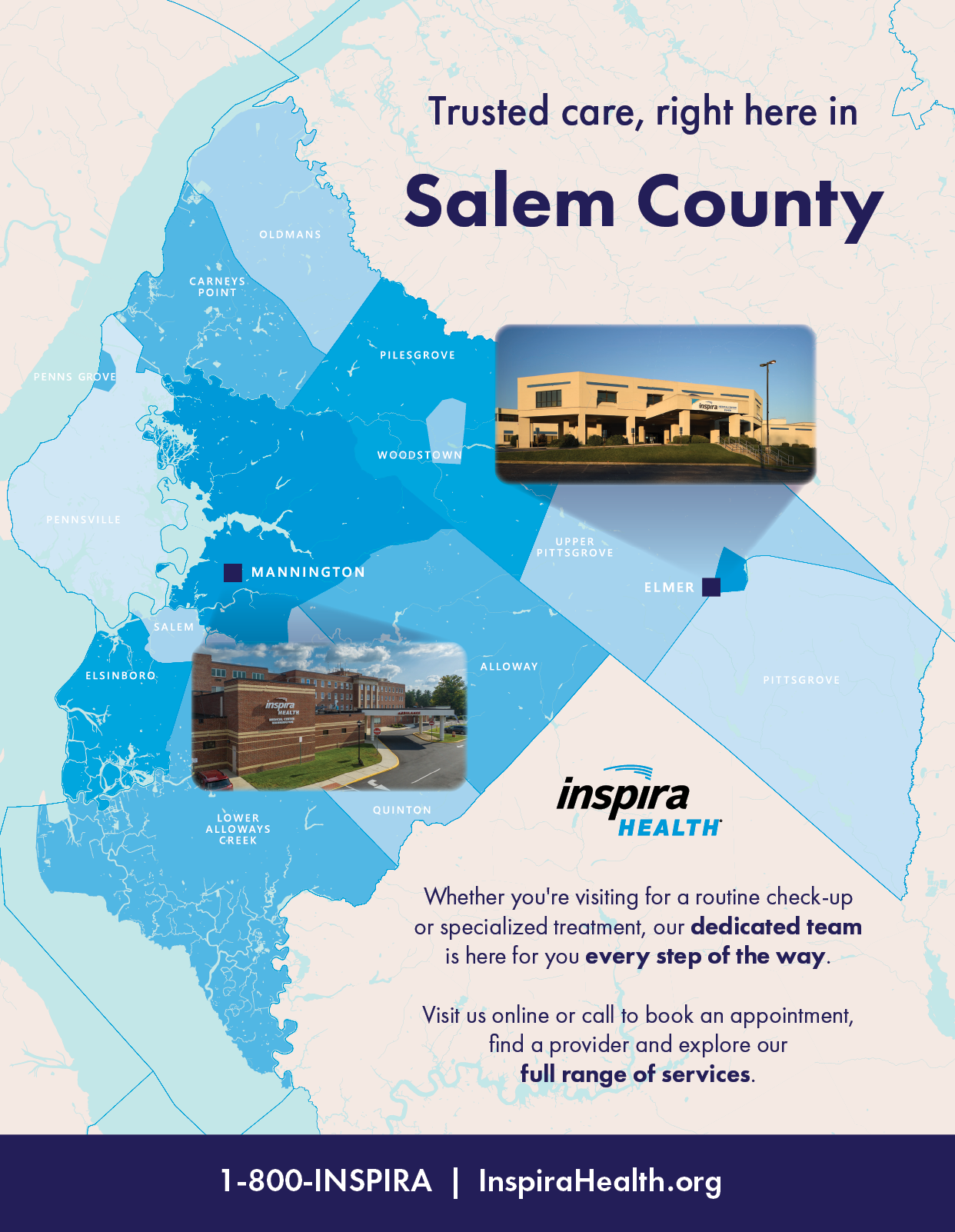
public unity and sacrifice. The hospital is still operating today in a different location, as Inspira
Medical Center - Mannington!
1929
Novelist George Agnew Chamberlain wrote books set in South Jersey, e.g., “Scudda Hoo,
Scudda Hay.”
His works celebrated rural life and were adapted into Hollywood films,
putting Salem County landscapes on the literary map.
1950
Rock legend Bill Haley lived & played in Salem. He married Salem County native, Dorothy
Crowe.
Haley’s music, including “Rock Around the Clock,” helped launch
rock ’n roll, with Salem part of his formative years.
1951
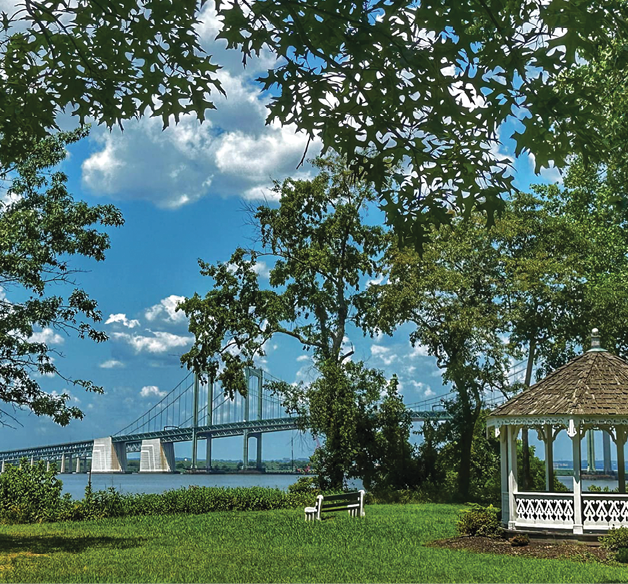
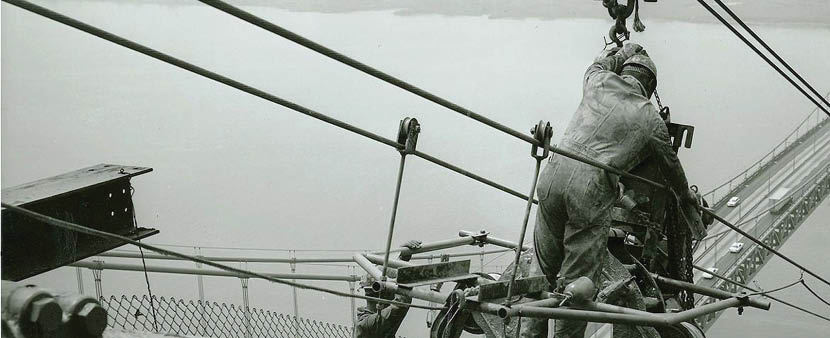
Delaware River & Bay Authority (DRBA) bridge connected New Jersey & Delaware; a second span was
added in 1968.
The bridge improved regional transportation and economic exchange,
solidifying Salem’s role in interstate commerce.
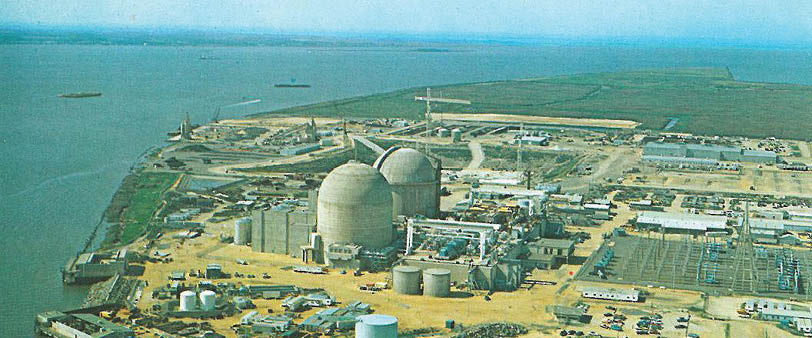
1975
Public Services Electric and Gas Company (PSEG) builds nuclear power plants on Artificial
Island in Lower Alloways Creek Township: Salem I (1976), Salem II (1981) and Hope Creek
(1986).
These plants became vital for the region’s energy supply and remain key
infrastructure sites for the state.
1978
Mannington Mills continues to grow with a staff of 800 and 56 buildings on 328
acres.
A major employer and innovator in flooring, the company has remained a staple of
Salem’s industrial base.
1985
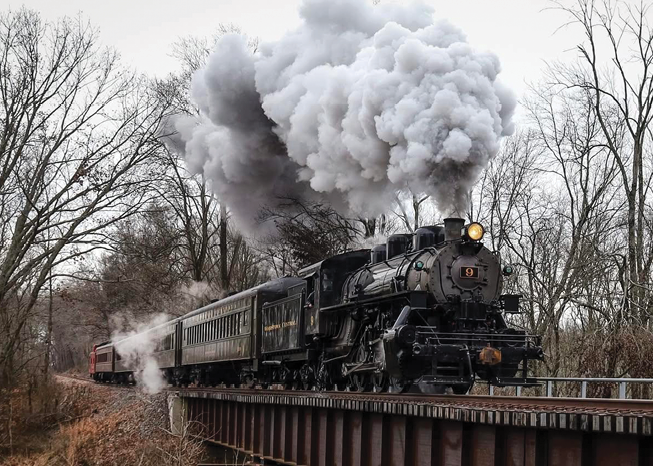
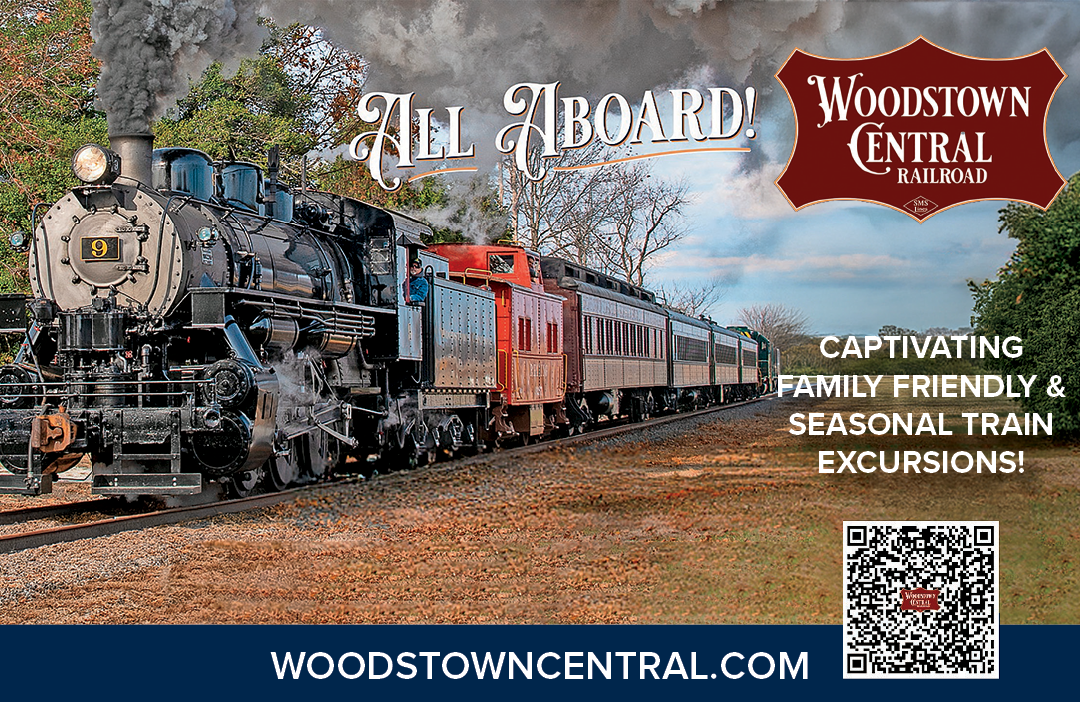
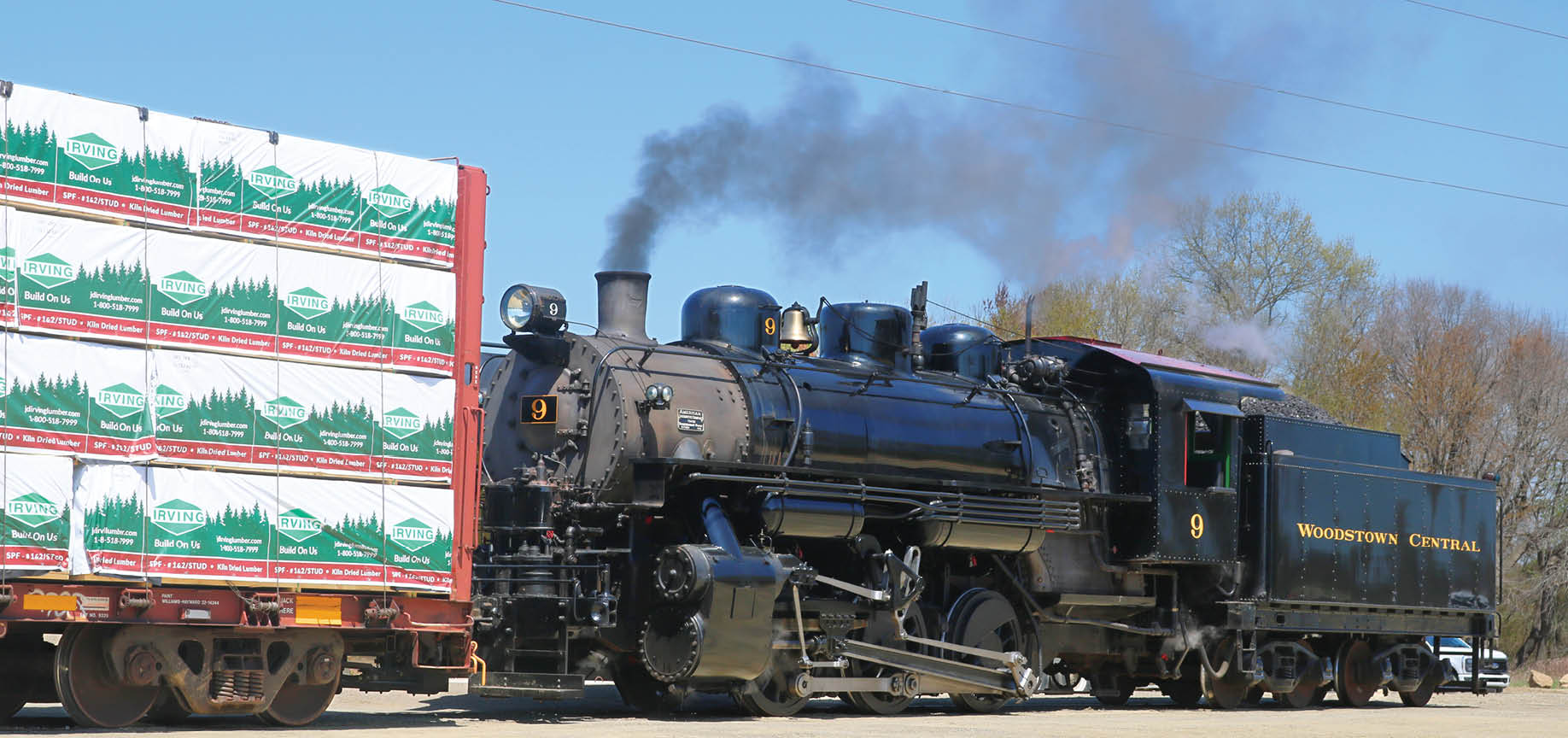
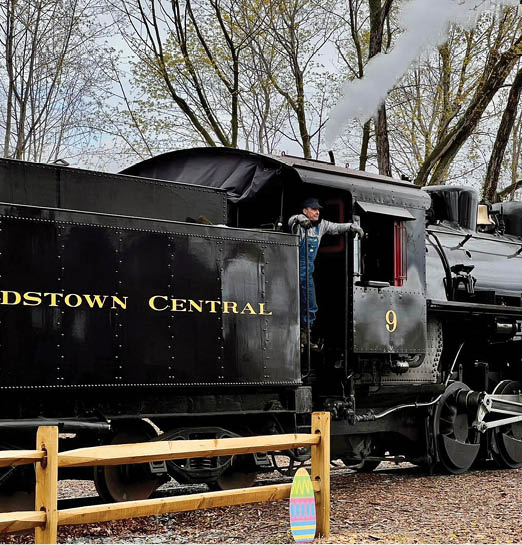
County Freeholders buy Swedesboro to Salem City rail line. Now operated by SMS Rail/ Woodstown
Central Railroad.
Preserving this line enabled heritage tourism and freight potential,
linking modern transit with historical routes.
1988
Stand Up For Salem was founded by PSEG, DuPont, Mannington Mills and Atlantic City Electric,
becoming essential to the redevelopment of the city.
This nonprofit spearheaded
revitalization projects, arts initiatives and community outreach programs.
1991
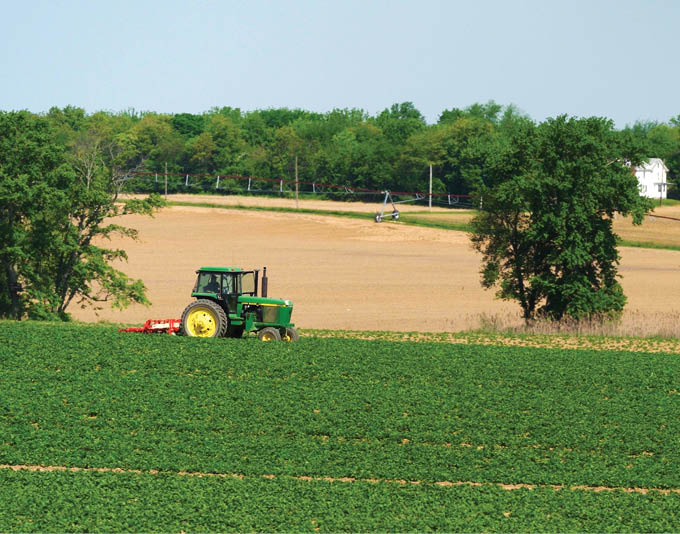
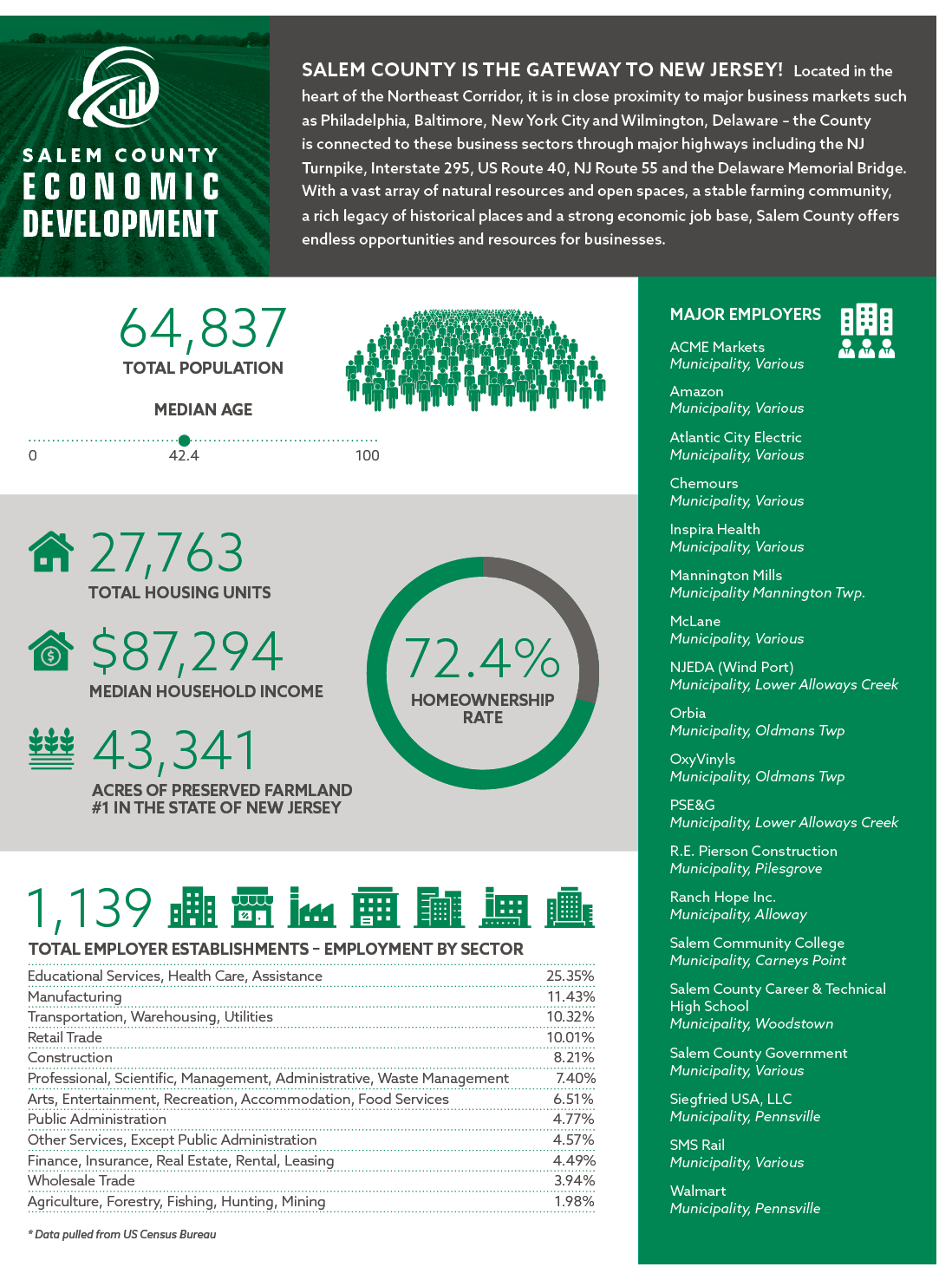
The County Freeholders support New Jersey’s Farmland Preservation. By 2009, Salem County
led the State with over 43,000 acres preserved.
This commitment helped maintain the
region’s agricultural heritage and rural landscape.
2021
SMS Rail Lines took over the operation and maintenance of the Salem County
Railroad.
After realizing the Salem Branch, a new division of SMS Rail Lines, the
Woodstown Central Railroad, was established in late 2022 to operate historic passenger rail service.
Thank you to Curtis Harker, Past President of the Salem County Historical Society, for consolidating
the information in this timeline.