Raytown History
Once a travel oasis for pioneer families, Raytown celebrates its 75th anniversary
By Ann Piccininni
Raytown’s founding and history is closely tied to the first settlers’
trips westward in the 1800s.
“It is said that Raytown is the second oldest town in Jackson County, Mo. The oldest city is
Independence, Mo, settled in 1827,” said Charlotte Belger, Raytown Historical Society archivist.
She said Independence was the farthest point westward on the Missouri River where steamboats or cargo
vessels could travel. Independence was closer than Raytown to the Missouri River by about 8 miles.
Raytown was incorporated as a city on July 17, 1950, an event that was commemorated on the city’s
75th anniversary with a citywide celebration in 2025. But before the city was formally incorporated, it
served as an important landmark for travelers.
Belger said pioneering families crossing the country in wagons would stop in Independence to stock up
on supplies and food before embarking on a trip on the Oregon Trail, the Santa Fe Trail or the
California Trail.
Raytown got its start as a similarly convenient place to prepare for the long trip west.
“Oxen, mules and horses pulled the wagons,” Belger said. The wagon driver, small children
and elderly pioneers were carried in wagons while the other members of the group would walk alongside
the wagon.
“They only went as fast as people could walk. It took months from where they started to where
they ended,” she said.
That made the 8-mile trip from Independence to Raytown, a trip that had to be accomplished during
daylight hours, a long one.
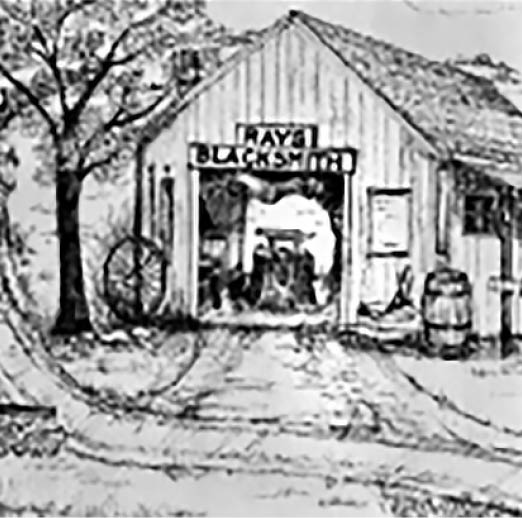
Raytown was established after William Ray, the town’s namesake, moved his wife and seven children
from their Ohio home to Missouri where they decided to settle and build a blacksmith shop.
“They had planned to go to Oregon,” she said. But the trip across the unknown wilderness
was daunting. The family eventually did move to Oregon, about three years later, after Ray’s first
wife died and he married a second time.
“He started another blacksmith shop in Lacomb, Ore.,” she said.
By 1854, Belger said people were referring to the town as “Ray’s town,” later
shortened to “Raytown.”
Meanwhile, Archibald Rice, his wife Sally and their nine children traveled from North Carolina to what
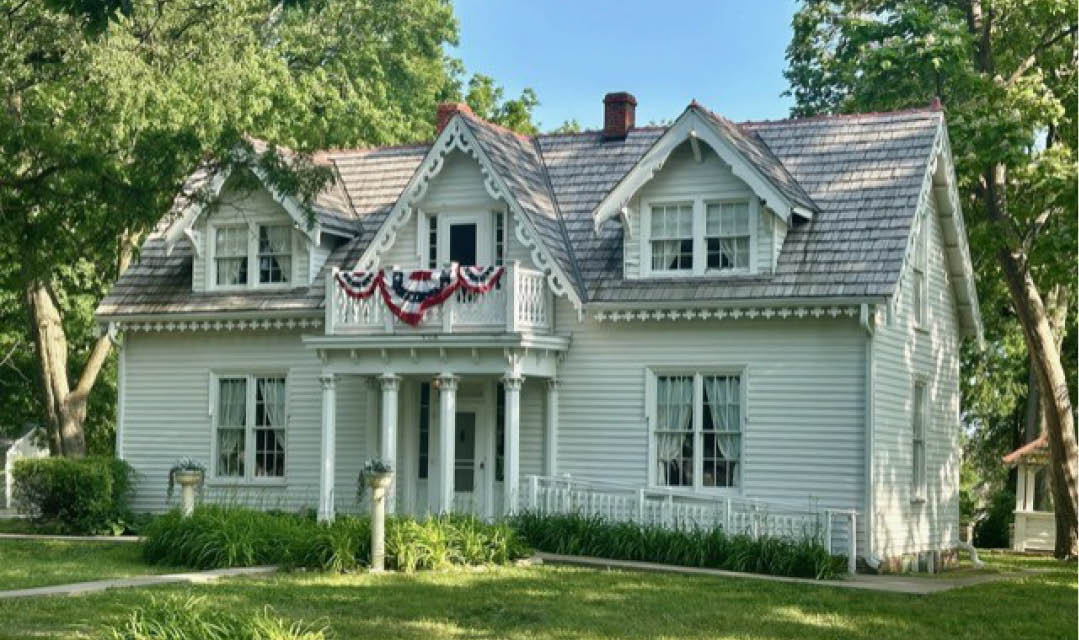
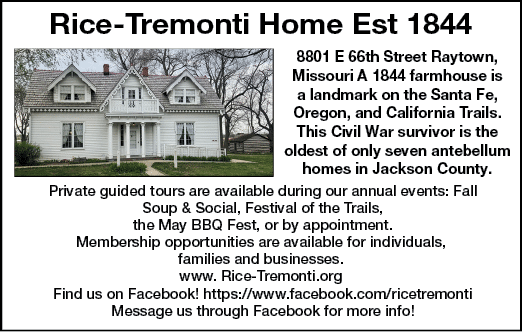
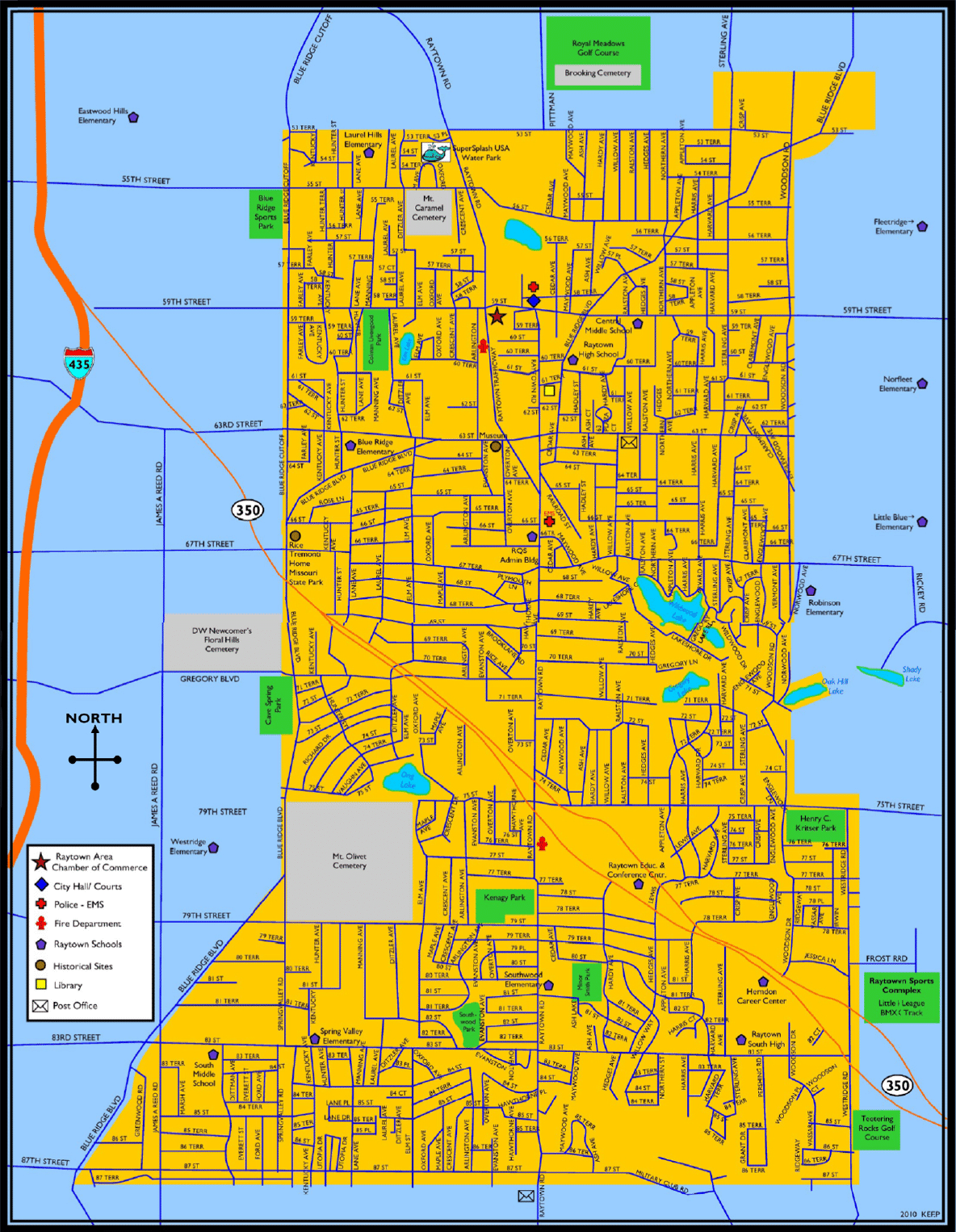
today is known as Raytown and in 1844 built what is currently known as the Rice-Tremonti Home.
Belger said the house was called a “steamboat Victorian” house because its building
materials arrived via steamboat.
“It was prefabricated, if you can believe that,” she said. “He had access to a lot of
land and started raising crops. The Rice plantation was something travelers knew about.”
Several Rice family members lived in the house over the years.
Dr. Louis Tremonti lived in the house from 1935 until his death in 1949; his wife Gloria continued to
live in the house until 1987 when the non-for-profit Friends of the Rice-Tremonti Home Association
purchased it. The house has been on the National Register of Historic Places since 1979.
Today, the home is available for group and private tours. Surrounded by a large, shady, inviting lawn,
the home hosted several of the city’s 75th anniversary celebratory events.
“It’s kind of a nice, big, beautiful place for a summer picnic,” Belger said.
The house also served as a travel oasis during the years when pioneer families were moving west.
“If they stopped at the blacksmith shop, Ray would tell them about the Rice plantation,”
she said.
Belger said settlers’ journeys were challenging.
“None of it was easy. A lot of people didn’t live through it,” she said. “One
of the worst things they had to deal with was cholera.” A lack of clean drinking water and
medicine hampered their efforts.
Because so many pioneering families lost family members due to these obstacles, a roughhewn cemetery
was established between Raytown and Independence known as “Campground Cemetery.”
Belger said many people who traveled to the area acquired land via a government program initiated under
the Pre-emption Act of 1830.
“This little community started growing into a town,” she said.
The establishment of what were known as “subscription schools” began in the 1840s, she
said. These were schools available to students whose families could afford to pay a fee.
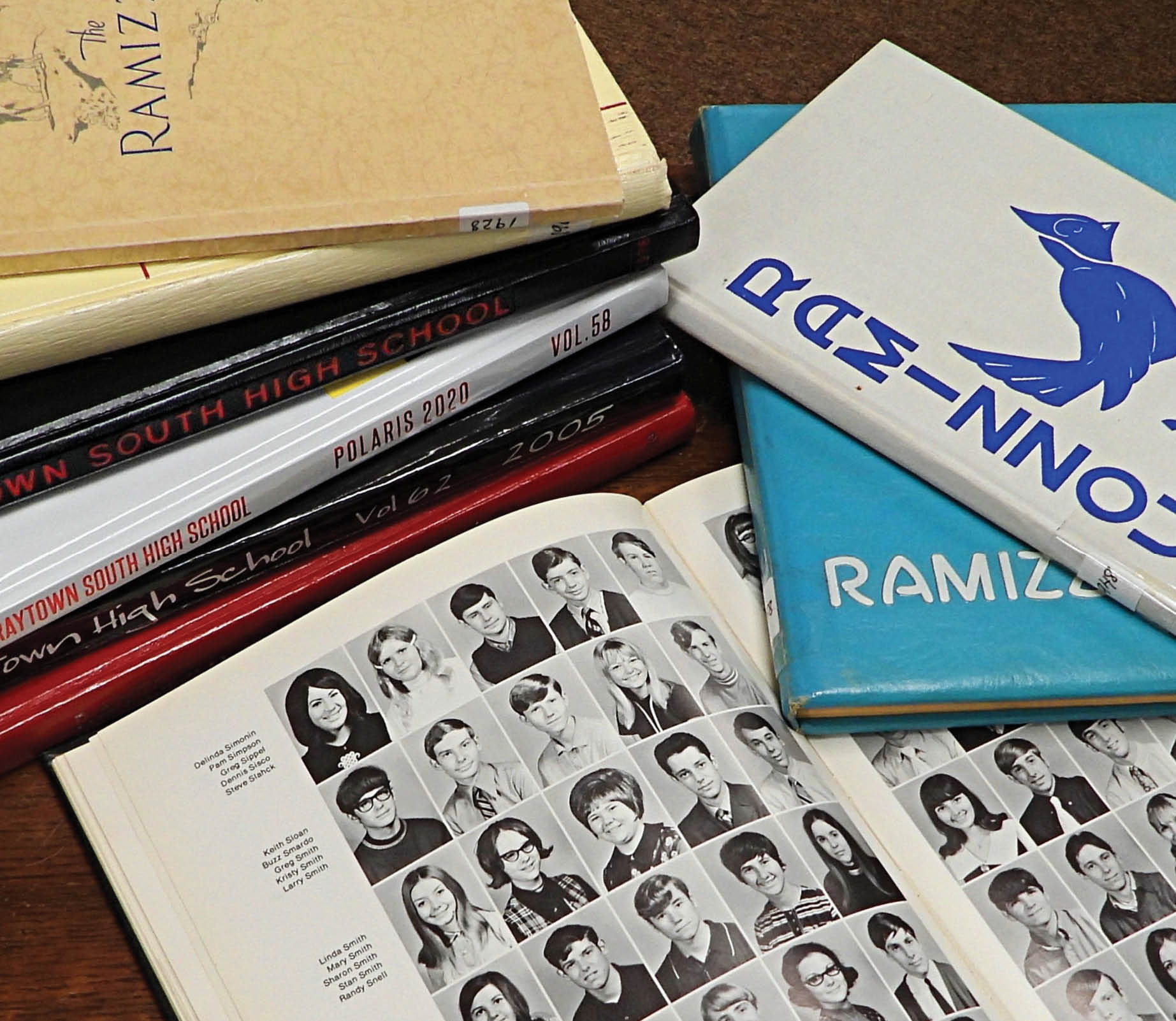
By the beginning of the 20th century, the town offered one-room schoolhouses for students of all ages
and grade levels. Beginning around 1945, a public consolidated school district built one school building
per year over an 11-year period to accommodate the growing population.
”We now have two high schools, three middle schools and 10 elementary schools,” she
said.
During World War II, Belger said area women joined the war effort by helping with airplane production
and covering many other jobs formerly held by men.
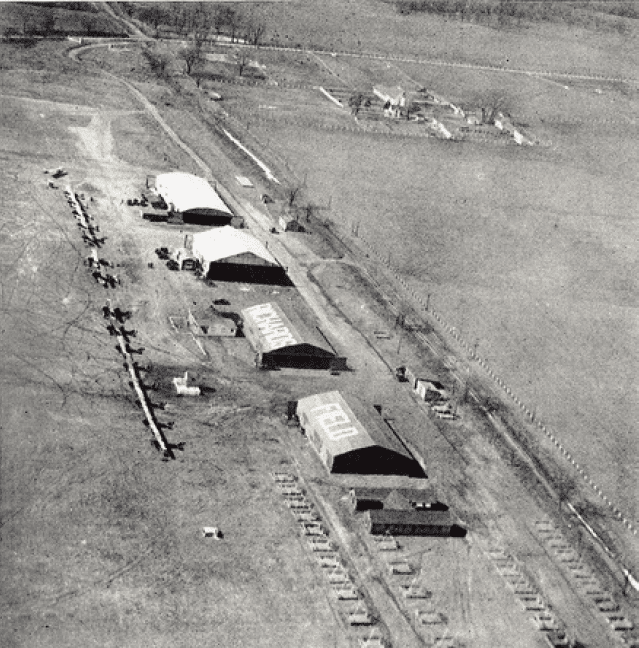
To accommodate veterans returning from service, a builder named William Ong built 450 ranch homes on
his former 156-acre airfield. The new school construction was underway at that point.
“That’s when Raytown really boomed,” she said. “The town really prospered
greatly from it and it was a really good town to live in.”
“It is said that Raytown is the second oldest town in Jackson County, Mo. The oldest
city is
Independence, Mo, settled in 1827.”
- Charlotte Belger, Raytown
Historical Society
Raytown Historical Society and Museum
9705 E. 63rd Street, Raytown, MO 64133
816-353-5033
Open 10 a.m. to 2 p.m. Thursdays and Fridays
htttps://www.raytownhistoricalsociety.org