History of Hobart
Our town embraces modernity
And its mill town roots
Early History
Indigenous Presence
Before European settlement,
the area that is now Hobart, Indiana, was home to Native American tribes, primarily the Potawatomi.
These tribes lived off the land, relying on hunting, fishing and farming to sustain their
communities.
Settlement Era
European settlers began arriving in the region during the early
1800s. The first land claims were made in the 1830s, following treaties that displaced the Native tribes
from their ancestral lands.
Founding of Hobart
Naming the Town
The town of Hobart was named
by George Earle in honor of his brother, Frederick Hobart Earle. While the specific reasons for this
tribute remain unclear, it reflects a familial bond and Frederick’s significance to George. There
are no historical records to suggest that Frederick Hobart Earle played a direct role in the
town’s establishment or development; his legacy in Hobart is primarily tied to its name.
George Earle and Hobart’s Foundation
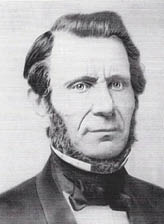
George Earle, a prominent settler,
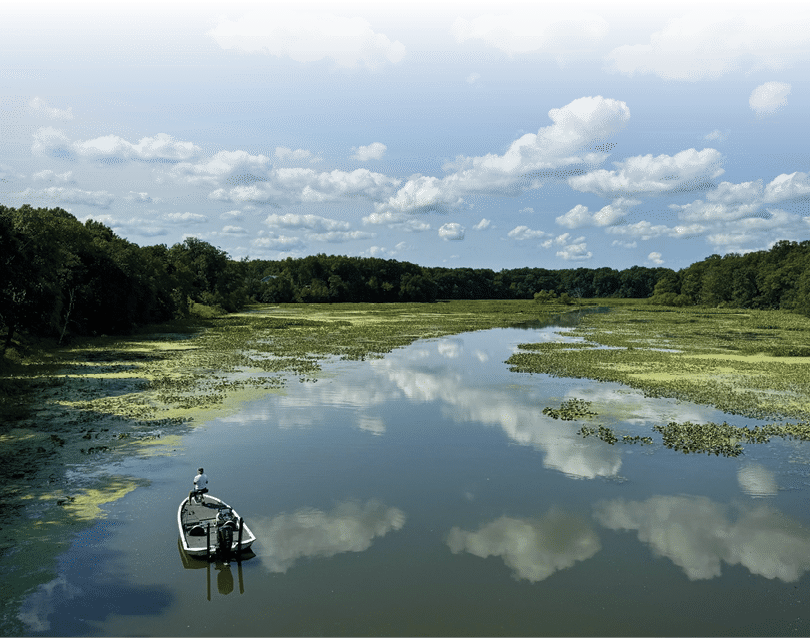
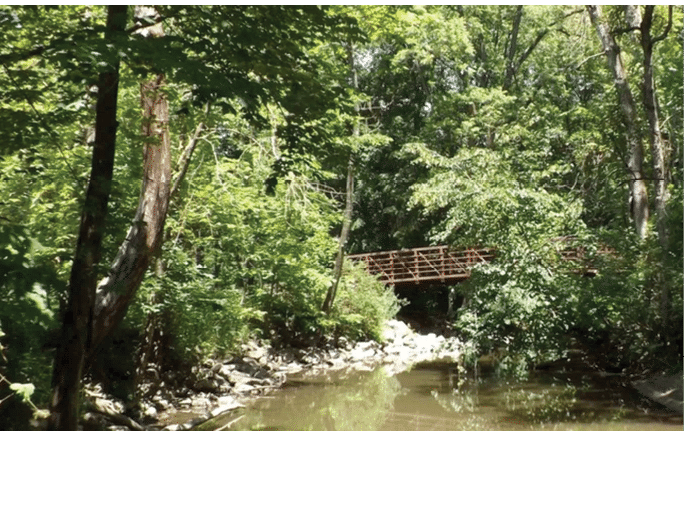
purchased and developed the land that would become Hobart. He constructed a dam on Deep River and
established a gristmill, laying the economic foundation for the area. The dam also created Lake George,
named after George Earle himself. Lake George remains a central feature of the town and a lasting symbol
of its early history.
Legacy of Hobart
1845: Founding
Hobart was officially founded
in 1845 by George Earle. His development of the dam and gristmill transformed the area into an economic
hub, fostering further settlement and growth.
A Tribute to Frederick Hobart Earle
The town’s name serves as a lasting
tribute to George’s brother, Frederick Hobart Earle, cementing his indirect legacy in the
region.
Growth and Development
Railroads
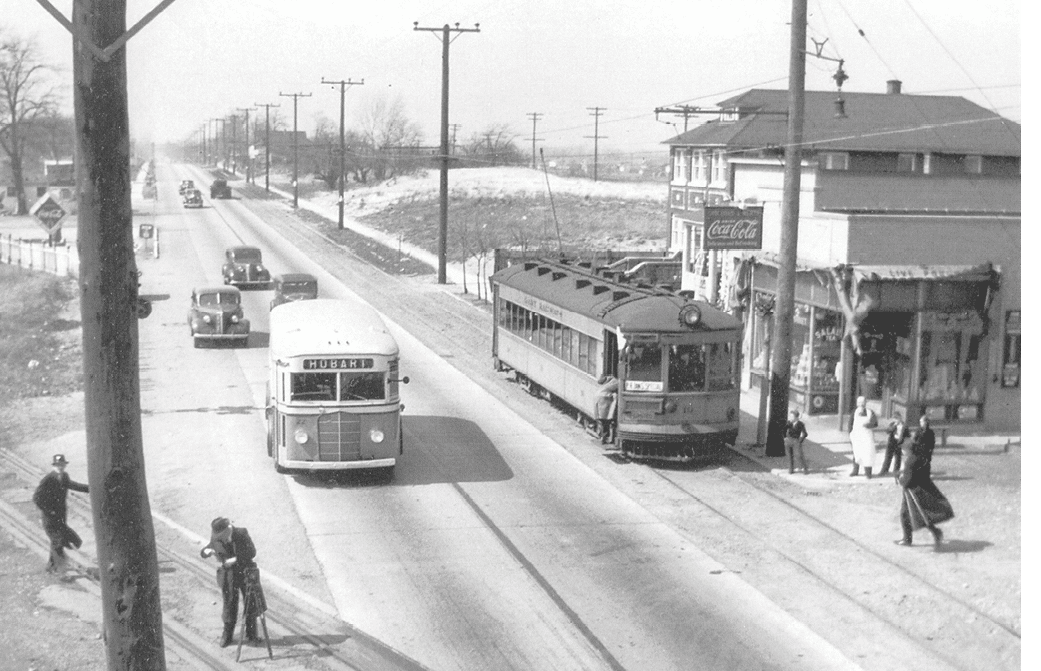
The arrival
of the Pittsburgh, Fort Wayne and Chicago Railway in the mid-19th century spurred growth in Hobart. The
railway made transportation of goods and people more efficient, connecting Hobart to larger markets and
communities.
Agriculture and Industry
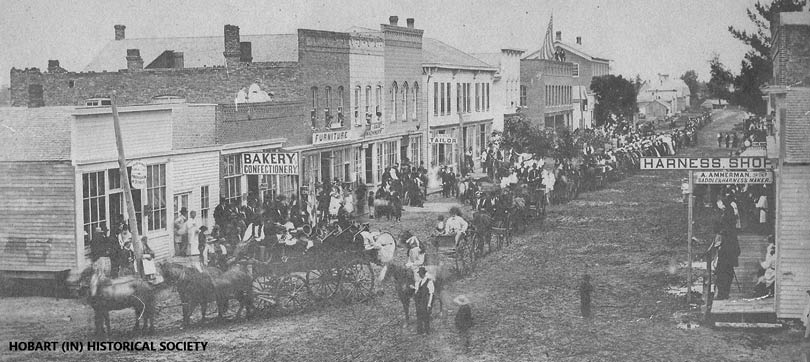
Hobart’s early industries included milling, farming
and brick manufacturing. The town became known for producing high-quality bricks that were in demand
throughout the Midwest.
Incorporation and Expansion
1889: Official
Incorporation
Hobart was officially incorporated as a town in 1889, marking a new chapter
in its governance and development.
Hobart grew as a suburban community during the 20th century, benefiting from its proximity to Gary and
Chicago. The rise of steel mills in nearby areas contributed to population growth and economic
opportunities for residents.
Modern History
Post-World War II Boom
The mid-20th century
brought a housing boom and the establishment of schools, parks and other community facilities,
reflecting a period of rapid suburbanization.
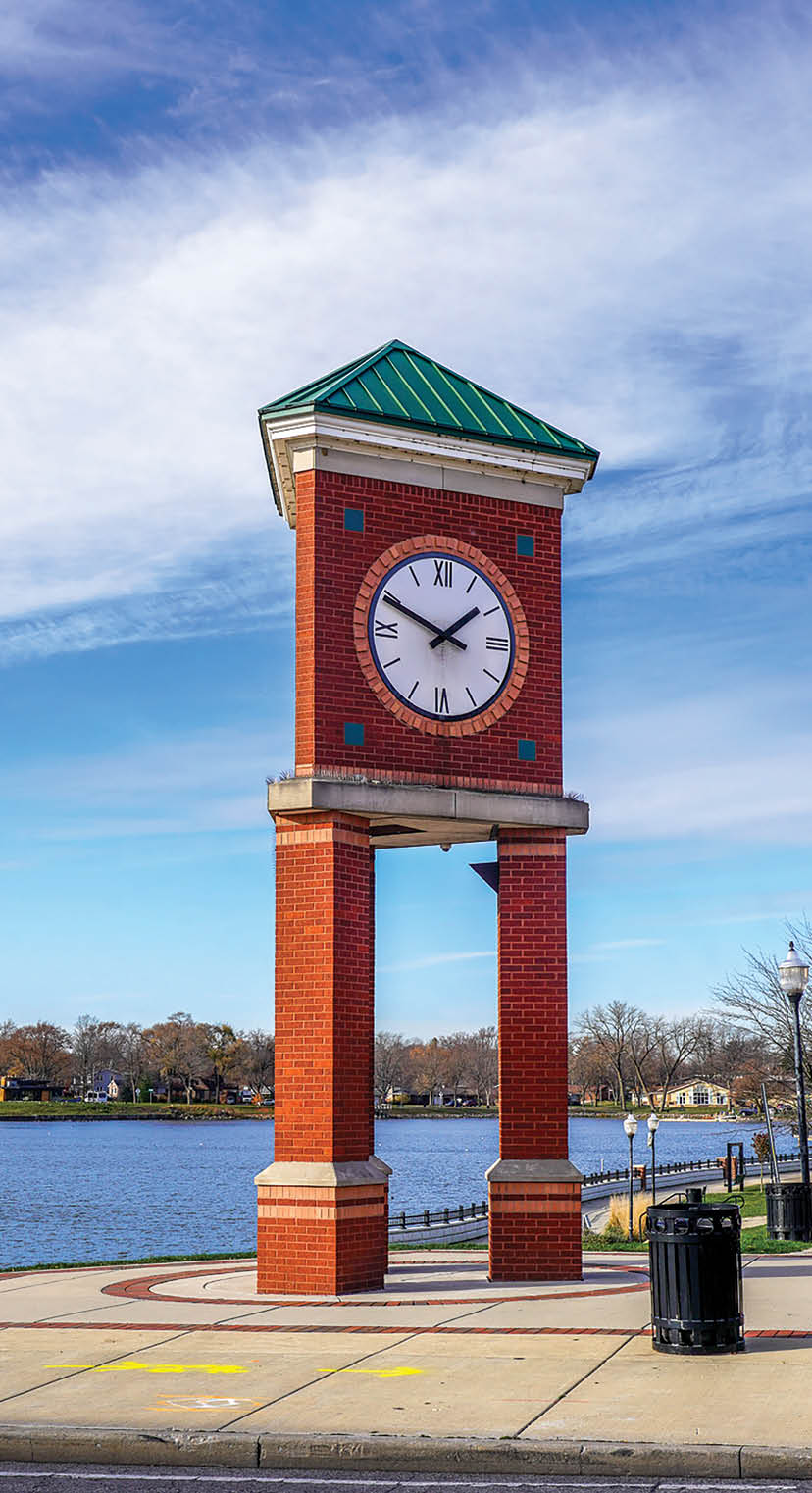
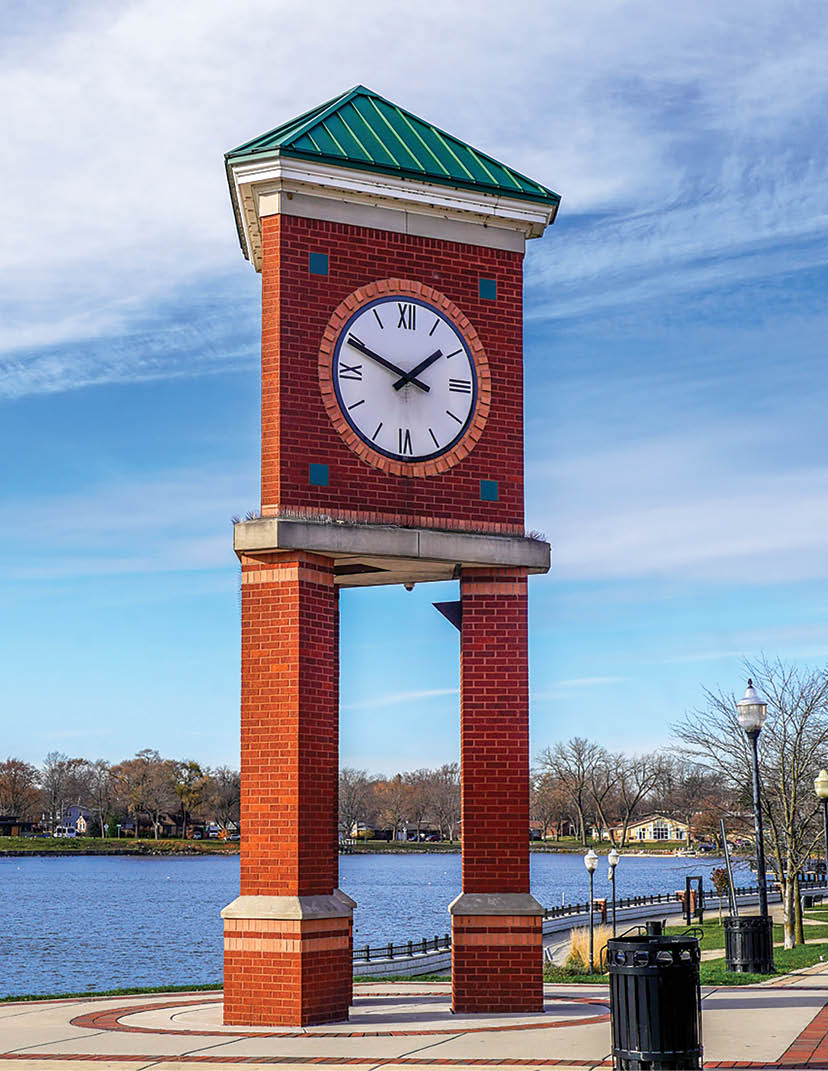
Lake George
Lake George, created by the damming of Deep River, became a focal point
of the town. It serves as a recreational area and a symbol of Hobart’s heritage, offering
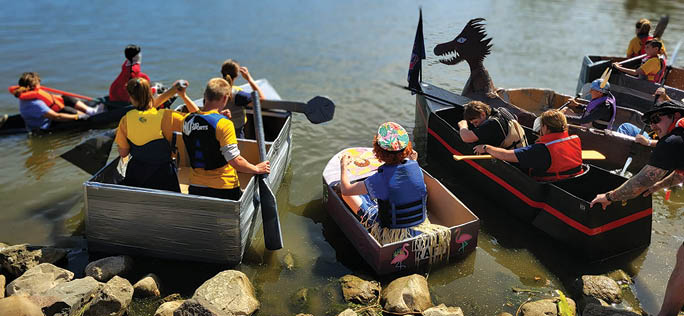
activities such as boating, fishing and community events.
Suburbanization
As part of the greater Chicago metropolitan area, Hobart evolved
into a desirable suburban destination. The town blends residential neighborhoods with a vibrant mix of
small businesses, maintaining a balance between modernization and its historical roots.
Today
Hobart continues to thrive as a small city with a strong sense of community.
Its historic downtown area, parks and events such as the Lakefront Festival showcase its rich heritage.
While embracing modern advancements, Hobart retains its connection to its origins as a mill town and
agricultural hub.
Historic ‘Pennsy Depot’ Tracks Our Past, Present and
Future
Now a hub for local business and community
activities
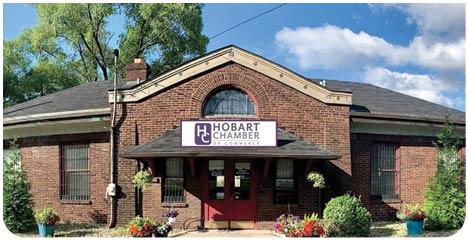
The building at 1001 Lillian Street in Hobart, originally served as the Pennsylvania Railroad
Station, also known as “The Pennsy Depot.” Constructed in 1911, this brick structure
replaced an earlier wooden depot that burned down. The station was an integral part of the Pittsburgh,
Fort Wayne and Chicago Railway (PFW&C), which later became part of the Pennsylvania Railroad.
In 1984, the station was listed on the National Register of Historic Places, recognizing its
historical significance.
Today, the building houses the Hobart Chamber of Commerce, serving as a hub for local business
activities and community events.
The station’s preservation reflects Hobart’s commitment to honoring its rich
railroad heritage.