KEEPING BUSINESS INFORMED
Chamber Monitors Policy Matters and Workforce Issues for Local Corporate Community
By Erin Sauder
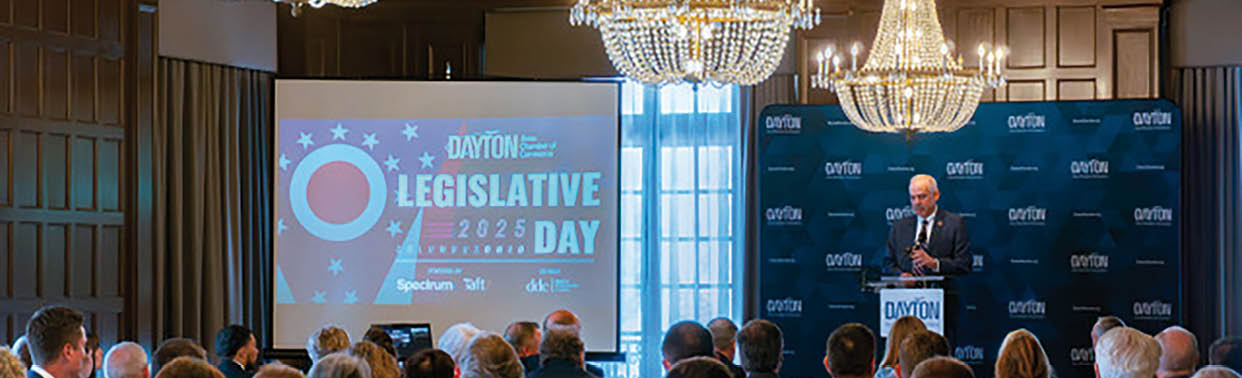
Business owners looking to keep up with state and federal issues can look to the Dayton Area
Chamber of Commerce as a resource.
The organization is currently monitoring several policy discussions and infrastructure projects to help
local companies stay informed about the potential impact.
One issue the organization is paying attention to is the discussions happening across the state
regarding property taxes and the potential impact of a ballot issue that would abolish them
entirely.
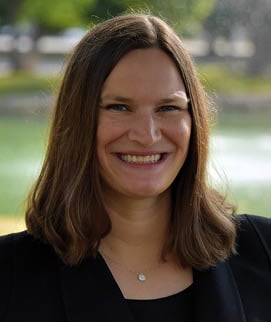
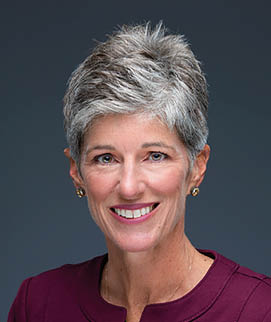
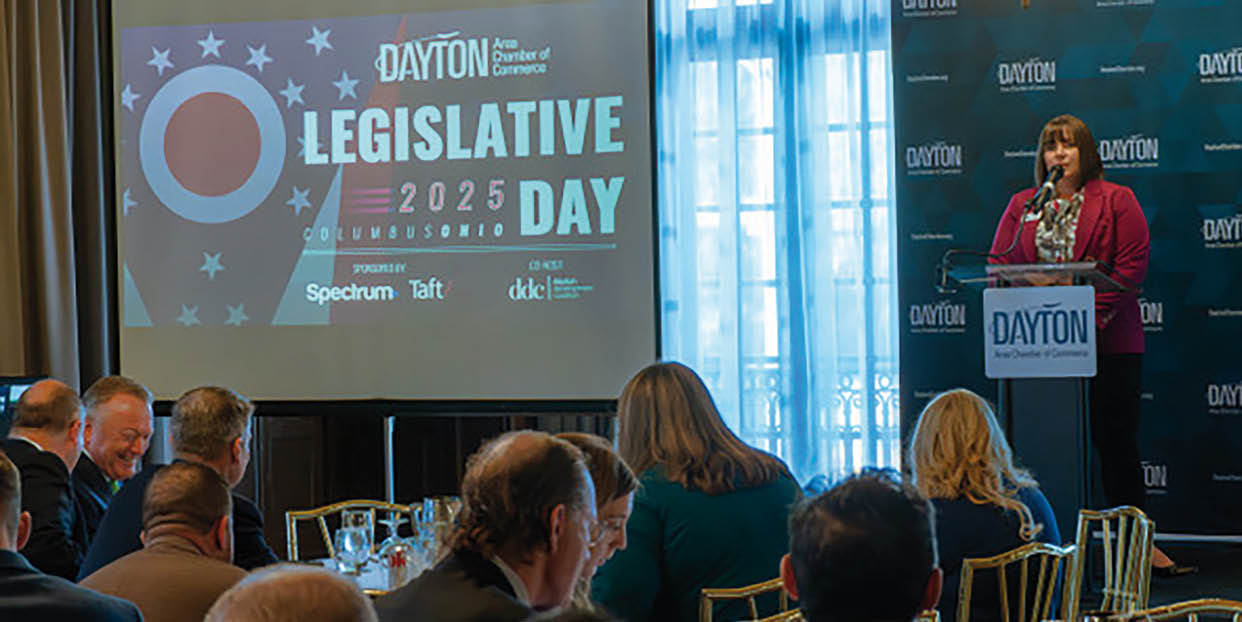
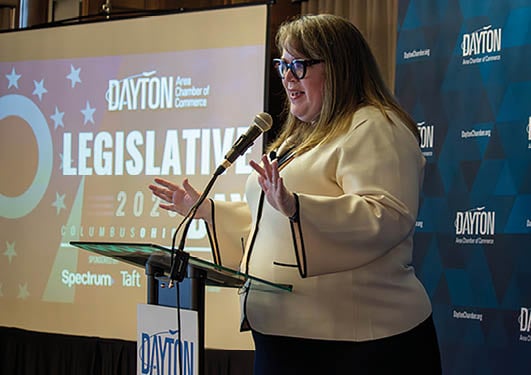
Stephanie Keinath, executive vice president of the Dayton Area Chamber of Commerce (DACC), said the
chamber is following these conversations closely.
“We are hearing from our members concerns about rising property taxes,” Keinath said.
“However, at the same time, we’re also hearing concerns that abolishing property tax
outright will only shift the tax and potentially negatively impact our businesses in other
areas.”
Another issue sparking conversations across Ohio is the influx of data centers. Keinath said the state
is working to balance these new investments with the high energy and infrastructure demands they place
on existing systems.
The chamber is also focusing on some of the barriers that keep people from taking jobs, such as the
lack of affordable childcare, transportation and housing.
“We understand how some of these challenges are constraining Ohio’s workforce and
we’ve been working with partners across the region and state to begin to address those barriers in
a systematic way. For example, when it comes to child care, we know that our advocacy for the expansion
of publicly funded childcare will enable thousands of working parents in the state to return to work or
work more hours.” Keinath said.
Another area of focus for DACC workforce advocacy is the expansion of career pathways and work-based
learning opportunities, such as internships and apprenticeships, for in-demand careers. This effort is
intended to help re-align K-12 through higher education systems to make sure what students learn in the
classroom matches what local employers need.
While Keinath monitors those long-term policy discussions, the region is also seeing the impact of
immediate infrastructure investments.
The Ohio Department of Transportation recently announced $55 million in funding for projects such as
the Northeast Logistics Project and the Millikin Road interchange.
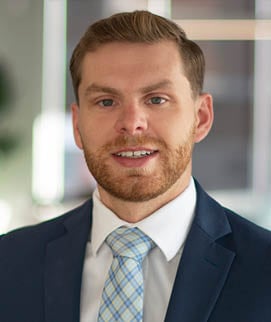
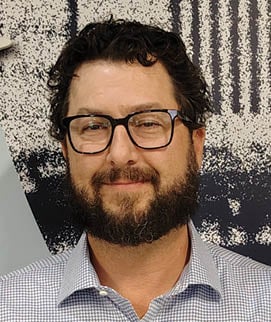
Amanda Byers, the Chamber’s senior director of talent and policy, said these projects provide a
real-world benefit to local shop and factory owners by making it faster, cheaper and more reliable to
move goods, directly lowering costs for local businesses.
“They also open up new development and attract employers, which means more customers, contracts
and growth opportunities for suppliers,” Byers said. “Bottom line: they strengthen the
region’s competitiveness in a way that helps businesses operate more efficiently today and expand
tomorrow.”
For the Dayton region, these investments enhance connectivity to key assets like the airport and the
interstate system.
Byers said this positions the 14-county region to compete for new jobs and capital investment, ensuring
local companies have the access and infrastructure they need to succeed.
The chamber's role also includes helping members navigate federal regulations, particularly regarding
immigration.
“The federal policy landscape around immigration is complex and constantly evolving,” Byers
said.
To that end, the organization co-hosts a series called New American Employer Roundtables to help
businesses deal with the practical side of working with the local immigrant and refugee workforce.
“As employers work to engage a more diverse talent pipeline, many have questions about work
authorization, credential recognition, onboarding practices and legal compliance issues that we strive
to address in these peer learning forums,” Byers said.
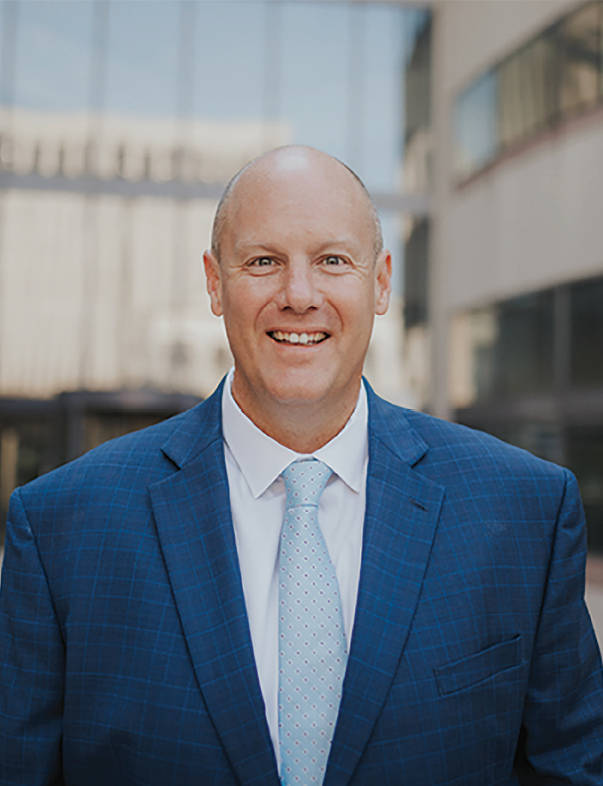
“We understand how some of these challenges are constraining Ohio’s workforce and
we’ve been working with partners across the region and state to begin to address those barriers
in a systematic way.”
– Stephanie Keinath
Executive Vice President,
Dayton Area Chamber of Commerce


























































































































































![[Error: Alt text was not generated.]](assets/images/item_168061.png)












































































![[Error: Alt text was not generated.]](assets/images/item_168678.png)